
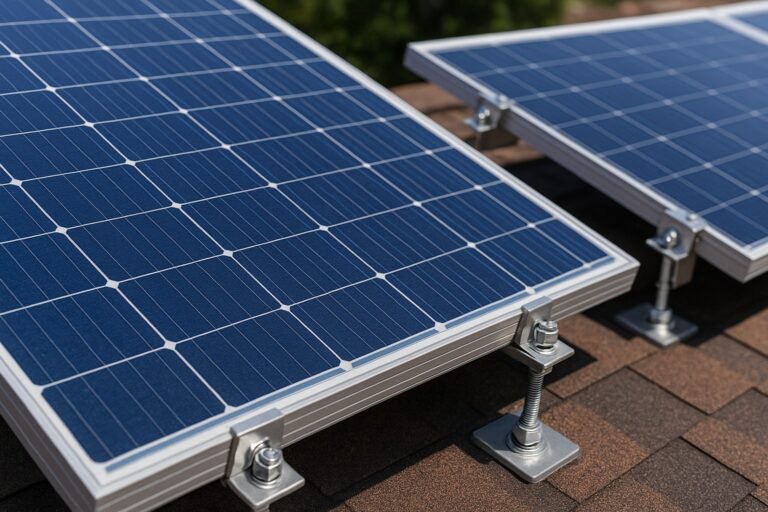
A solar powered mini split is quickly becoming one of the smartest ways to stay cool in summer and warm in winter—without depending heavily on the grid. These systems combine the high efficiency of ductless mini splits with the renewable energy of solar power, giving homeowners the comfort they want and the savings they need. In this guide, you’ll learn exactly how solar powered mini splits work, what makes them different from traditional HVAC systems, and how they can dramatically reduce your energy bills and carbon footprint.
We’ll also explore the latest innovations such as solar powered mini split with battery options, hybrid AC/DC solar mini split air conditioners, and all-in-one solar powered mini split kits from leading brands like EG4 and Airspool. Along the way, you’ll find out how to size your system correctly, what installation involves, the real-world costs, and what verified user reviews reveal about performance and reliability. Whether you’re looking for an off-grid cooling solution, trying to upgrade your energy efficiency, or just curious about clean home comfort technology, this guide will help you make an informed decision.
What Is A Solar Powered Mini Split And Why It Matters
A solar powered mini split is essentially a ductless heating and cooling system that runs on solar energy instead of depending solely on electricity from the grid. A traditional mini split consists of two main components: an indoor air-handling unit and an outdoor compressor, connected by refrigerant lines. It’s known for being energy-efficient and flexible since each indoor unit can control the temperature of a specific room or zone.
When powered by solar energy, the same system uses electricity generated by solar panels—either directly through DC (direct current) power or via an inverter that converts it to AC (alternating current). This setup allows homeowners to tap into renewable energy for climate control, which can significantly cut monthly power bills. Unlike standard systems that rely completely on utility power, a solar mini split gives you energy independence, especially during peak usage or power outages.
There are several configurations to suit different needs. A hybrid AC/DC solar mini split air conditioner can automatically switch between solar and grid power, ensuring continuous operation even when sunlight is limited. Meanwhile, solar powered mini split kits typically include the solar panels, inverter, charge controller, and sometimes batteries—making them a complete plug-and-play solution for off-grid or remote locations.
Beyond comfort, the real benefit lies in sustainability. Research on solar-powered cooling systems has shown that these setups can drastically reduce household carbon emissions and improve long-term energy efficiency. By investing in a solar powered mini split, you’re not only lowering utility costs but also contributing to a cleaner environment and a more resilient home energy system.
How These Systems Actually Work
Understanding how a solar powered mini split operates helps you see why it’s one of the most efficient home climate solutions available today. The system seamlessly combines solar technology with modern HVAC engineering to convert sunlight into comfortable indoor temperatures—all with minimal energy waste.
Core Components
Every solar powered mini split system consists of a few key parts working together:
- Solar PV Panels: These panels capture sunlight and convert it into DC (direct current) electricity. The number of panels you’ll need depends on your unit’s size (BTU rating), daily usage hours, and the amount of sunlight your location receives. For instance, a 12,000 BTU mini split that uses about 1 kWh per hour typically requires four to six standard 400 W panels for optimal performance.
- Inverter or DC-Ready Mini Split: If your system isn’t DC-compatible, an inverter is used to convert the DC power from the panels into AC power that the mini split can use. Some models, such as hybrid AC/DC units, are designed to work directly with solar panels, reducing energy loss during conversion.
- Battery or Grid-Tie Setup: In setups that include a battery, excess solar energy is stored for later use—perfect for powering the unit at night or during cloudy conditions. A grid-tied configuration, on the other hand, allows you to feed surplus power back to the utility grid and draw electricity when solar generation is low.
- Outdoor and Indoor Units: Like traditional ductless systems, the outdoor compressor pumps refrigerant to one or more indoor air handlers. Each indoor unit can cool or heat a separate room, giving you zoned temperature control while maximizing efficiency.
Workflow: From Sun To Comfort
Here’s how energy flows through a solar powered mini split system:
- Sunlight hits the solar panels, generating DC power.
- The inverter or DC input then channels this power either directly to the mini split or through the home’s electrical system.
- If you’re using a battery setup, excess energy is stored during the day and used when sunlight isn’t available.
- The mini split’s compressor and fan units use this electricity to transfer heat, cooling or warming your space as needed.
There are three main configurations:
- Off-grid systems, which rely solely on solar panels and batteries, ideal for remote areas.
- Hybrid systems, which use both solar and grid power, automatically switching depending on sunlight availability.
- Grid-tied systems, which primarily run on solar power but stay connected to the grid for backup or net metering.
Efficiency Factors And Ratings
The performance of a solar powered mini split depends on several efficiency metrics:
- SEER/SEER2 (Seasonal Energy Efficiency Ratio): A higher SEER means better cooling efficiency per unit of energy consumed. Systems rated SEER 22 or above are considered highly efficient and perfect for solar integration.
- COP (Coefficient of Performance): This measures heating efficiency; a higher COP means the system provides more heat for each watt of power used.
- Variable-Speed Inverter Technology: Unlike traditional HVAC units that turn on and off repeatedly, inverter-driven mini splits adjust their compressor speed to maintain steady temperatures, reducing energy loss and extending lifespan.
Mini splits are better suited for solar setups than traditional central HVAC systems because they require less power to operate, don’t need extensive ductwork (which wastes energy), and can be controlled individually in different rooms. Their modular, high-efficiency design aligns perfectly with the variable output of solar panels, making them an ideal match for modern sustainable living.
Key Related Terms And Variants To Know
If you’ve started researching solar powered mini split systems, you’ve likely come across a mix of technical terms, kit variations, and brand names. Understanding these helps you make a confident choice that fits your home’s energy setup and climate needs. Here’s what each one means and why it matters:
- Solar Powered Mini Split Kit: A complete kit generally includes solar panels, an inverter or hybrid controller, mounting hardware, wiring, and sometimes batteries. These kits simplify installation and ensure all components are compatible, which helps avoid performance issues later. When choosing one, check for clear wattage ratings, warranty coverage, and whether it supports grid-tie or off-grid configurations.
- Hybrid AC/DC Solar Mini Split Air Conditioner: This type of mini split can run on both solar DC power and standard AC grid electricity. During the day, it uses solar energy, and when sunlight fades, it automatically switches to the grid—no manual adjustment needed. This dual-mode capability ensures uninterrupted comfort and better long-term energy savings.
- Solar Powered Mini Split with Battery: Adding a battery to your setup means stored energy is available at night or during cloudy weather. Batteries also prevent short power interruptions and reduce reliance on the grid. Although the initial cost is higher, this setup offers full independence and is ideal for off-grid living or areas with frequent outages.
- Best Solar Mini Split / Solar Powered Mini Split Reviews: When reading reviews, focus on verified user experiences, energy performance data, and climate suitability. Look for details such as real-world SEER ratings, warranty claims, noise levels, and ease of installation. Genuine customer insights often reveal how well systems perform under different environmental conditions.
- EG4 Hybrid Solar Mini Split Kit: EG4 Electronics is known for producing high-efficiency appliances designed for renewable setups. Their hybrid solar mini split kits typically feature variable-speed inverter compressors, DC/AC adaptability, and ENERGY STAR-level performance. These units are favored for their reliability, technical support, and compatibility with most residential solar systems.
- Airspool Solar Mini Split Price: Airspool systems are tailored for off-grid applications and are often priced competitively compared to similar high-efficiency models. They’re designed to integrate directly with solar panels, minimizing conversion loss and reducing setup complexity. Airspool products are valued for durability, easy installation, and consistent cooling performance under high sunlight conditions.
- Mini Split / Solar Power System: In broader terms, a solar power system can serve multiple appliances, including your mini split, lighting, and other household electronics. Integrating your mini split into an existing solar system can increase the overall efficiency of your home energy use while maximizing your return on investment.
Understanding these terms helps you interpret product specifications, read reviews more critically, and decide which system best fits your needs—whether that’s a simple hybrid model or a fully off-grid solar powered mini split kit with battery backup.
When A Solar Powered Mini Split Makes Sense
A solar powered mini split isn’t the perfect fit for every home—but for the right conditions, it can be a game-changer in terms of comfort and savings. Below are the situations where it works best, and those where a different option might make more sense.
Ideal Scenarios:
- Off-grid homes, cabins, RVs, or tiny homes: These locations often lack consistent grid access, so solar-powered mini splits offer reliable comfort without the need for costly electrical infrastructure.
- Homes with high cooling or heating needs plus good solar resources: Areas with strong year-round sunlight gain maximum benefit from a solar mini split, as panels can cover most or all of the system’s power demand.
- Existing homeowners looking to reduce electric bills and carbon footprint: A hybrid or off-grid solar mini split helps lower monthly utility costs while cutting emissions—ideal for those prioritizing sustainability.
Scenarios Where It May Not Be the Best Fit:
- Homes with limited roof sunlight or shading: Solar production drops significantly under shade, making it harder to generate enough power to run a mini split efficiently.
- Very small budgets with no room for expansion: While long-term savings are strong, the upfront cost of panels, inverter, and batteries can be high for tight budgets.
- Regions with cheap electricity and no solar incentives: If your local energy rates are already low and tax credits or rebates are unavailable, the financial return may take longer to realize.
In short, the technology delivers outstanding value when conditions are right—but it’s not entirely free from trade-offs. Upfront costs, installation complexity, and battery maintenance can raise the initial investment. Still, for those committed to energy independence and long-term savings, the payoff in comfort and sustainability often outweighs these challenges.
Choosing The Right Size & Components
Selecting the correct solar powered mini split involves balancing your room size, energy consumption, and available sunlight. A well-matched setup ensures comfort without wasting power or overloading your solar array.
Sizing Your Space And BTU Needs
Matching BTU (British Thermal Unit) capacity to your space is crucial. A unit that’s too small struggles to cool or heat efficiently, while an oversized one wastes energy.
- For example, a 12,000 BTU unit typically serves a 400–600 sq. ft.
- Factors like insulation quality, sun exposure, window size, and occupancy also affect sizing.
- The process mirrors that of standard mini splits, but solar adds an extra layer: ensuring your solar panels produce enough energy to meet daily cooling or heating loads.
A quick rule of thumb: calculate your home’s hourly energy needs and compare them to your region’s average daily sunlight hours.
Solar Panel And Battery Sizing
Getting the solar portion right is just as important as choosing the mini split capacity.
- If your system draws around 1,000 watts per hour and runs for about six hours a day, you’ll need roughly 6 kWh of daily solar generation.
- In practical terms, this usually means five to six 400 W solar panels for a single-zone setup.
- Consider your peak sun hours, panel tilt angle, and roof shading to calculate production accurately.
- Adding battery storage helps you run the system during cloudy days or at night but increases initial costs.
- Hybrid systems that combine solar and grid power can reduce battery size requirements while keeping operation reliable.
Balancing these factors ensures your setup remains cost-efficient without sacrificing performance.
Feature Checklist
When comparing models or brands, focus on features that enhance energy efficiency, reliability, and ease of use:
- Inverter-driven compressor (variable speed): Ensures smooth operation, reduced wear, and optimized energy use.
- DC-input compatibility: Allows direct solar connection, minimizing energy loss from conversion.
- Multi-zone capability: Enables temperature control in multiple rooms independently.
- Smart controls and monitoring apps: Help track energy usage and system health in real time.
- Manufacturer warranty and certifications: ENERGY STAR-rated models and reputable brands, such as EG4 Electronics, indicate strong performance standards and product reliability.
Choosing components that balance efficiency with quality guarantees your solar powered mini split performs reliably for years—keeping you comfortable while minimizing energy costs.
Installation, Setup & Real-World Tips
Here’s the thing — installing a solar powered mini split isn’t as complicated as it sounds, but it does require planning and precision. Whether you’re tackling parts of the job yourself or hiring a professional, the right setup determines how efficiently your system performs. Experienced installers and homeowners agree that small details during installation can make a big difference in comfort, performance, and longevity.
Practical Installation Tips:
- Placement of indoor and outdoor units: Position indoor air handlers where airflow isn’t blocked by furniture, curtains, or walls. The outdoor unit should have open space for proper ventilation, ideally in a shaded spot to prevent overheating while maintaining airflow.
- Mounting solar panels: Install panels on a south-facing roof (in the northern hemisphere) or adjust the tilt to capture maximum sunlight throughout the day. Avoid shadows from trees, chimneys, or nearby buildings, as even minor shading can reduce efficiency.
- Wiring and inverter integration: Use high-quality wiring and connectors to minimize voltage loss. Make sure all electrical work complies with local safety codes—this ensures both efficiency and insurance validity.
- DIY vs. professional installation: You can handle tasks like mounting panels or drilling for indoor unit brackets, but refrigerant line connections, pressure testing, and final commissioning should always be handled by a certified HVAC technician. It guarantees safety and preserves your system warranty.
- Maintenance tips: Keep solar panels clean from dust or leaves every few months, inspect refrigerant lines for leaks, and monitor battery charge levels if your system includes storage.
- Seasonal checks: Test heating performance before winter and cooling efficiency before summer. Regular filter cleaning and annual servicing help maintain consistent operation year-round, especially for heat-pump mini split systems.
Proper installation ensures your investment delivers optimal performance, comfort, and longevity—something both homeowners and installers emphasize repeatedly.
Costs, Savings & Payback Timeline
The cost of a solar powered mini split system varies based on size, brand, and configuration, but understanding the breakdown helps set realistic expectations. Your total investment typically includes solar panels, the mini split unit itself, an inverter, wiring, mounting hardware, and—if you go off-grid—a battery bank.
For example, a 1.5-ton (18,000 BTU) solar powered mini split system may cost around $8,200 when purchased as a complete kit, including panels and supporting hardware. Smaller systems, like single-room setups, can start around $4,000–$5,000, while larger multi-zone installations with batteries can reach $10,000 or more.
In terms of savings, homeowners often see a 40–80% reduction in cooling and heating costs depending on how much of their power comes from solar. The exact savings depend on local electricity rates, sunlight availability, and usage patterns. In regions that offer solar tax credits, rebates, or net metering, the payback period can shorten dramatically—sometimes to just five to seven years.
Here’s a quick snapshot of potential payback scenarios:
- Moderate-use home: Uses solar mainly for cooling in warm months. Payback in about 7–9 years.
- Heavy-use home: Runs both heating and cooling year-round, relying mostly on solar. Payback in around 5–6 years.
Beyond upfront costs, remember a few less-obvious expenses:
- Battery replacements: Lithium batteries generally last 8–12 years.
- Inverter lifespan: Expect to replace the inverter after about 10–15 years.
- Maintenance: Annual cleaning and inspections are minimal but important for preserving efficiency.
While the initial price may seem high, the combination of lower bills, incentives, and long-term durability makes a solar powered mini split a financially sound investment—especially for homeowners planning to stay in their property for years to come.
Top Brands, Kits & Reviews To Consider
When comparing solar powered mini split systems, the best approach is to focus on the manufacturer’s track record, verified efficiency ratings, and customer support rather than just the price tag. Expert installers recommend checking not only the cooling and heating capacity but also the ease of installation, warranty terms, and the availability of spare parts. It’s also wise to look for systems that come with smart monitoring options, allowing you to track energy production and usage in real time.
Top Brands and Kits Worth Exploring:
- EG4 Hybrid Solar Mini-Splits (9K–24K BTU): Known for hybrid AC/DC capability, these models can operate directly from solar panels during the day and switch to grid power automatically at night. They’re ENERGY STAR certified, come with high SEER ratings, and offer a solid warranty. EG4 systems are popular for their robust build, quiet performance, and compatibility with various solar configurations.
- Airspool Solar Mini Split System: Designed for easy integration, Airspool’s models feature click-in solar panel connections on the outdoor unit, simplifying installation and reducing conversion losses. These systems are engineered for off-grid use and are appreciated for reliability, energy efficiency, and user-friendly operation.
- Other Generic “Solar Mini Split Kits”: Many review-based sources highlight all-in-one kits that combine solar panels, charge controllers, and inverter-ready mini splits. When shopping for these, look for reviews that discuss long-term performance, support availability, and real-world energy savings. Reliable brands usually provide extended warranties and clear documentation for system configuration.
When comparing different options, pay close attention to:
- Warranty coverage (minimum 5 years on the compressor is ideal)
- Ease of installation (pre-charged lines or quick-connect fittings save time)
- Availability of parts and after-sales support
- Built-in monitoring features (apps or displays showing power flow and consumption)
The best system for you balances efficiency, budget, and service reliability—not just upfront cost.
Uncommon & Expert-Backed Considerations
Beyond the basics, there are a few technical and practical insights experts often emphasize when optimizing or planning a solar powered mini split setup:
- Integration with Battery Storage: Adding batteries ensures round-the-clock operation. Stored power keeps your mini split running smoothly at night or during cloudy conditions, offering true off-grid independence.
- Hybrid Grid-Tie Mode: These systems intelligently prioritize solar energy when available and switch to the grid when necessary. It’s a cost-effective middle ground that minimizes battery needs while ensuring consistent comfort.
- Smart Home Integration: Modern units can connect to smart thermostats or IoT platforms, allowing you to schedule cooling or heating to align with peak solar generation hours—maximizing energy use efficiency.
- Climate-Specific Advice: In hot or humid climates, prioritize high-SEER models with dehumidification features. In colder regions, look for mini splits with built-in heat pumps rated for low-temperature performance.
- Resilience and Emergency Backup: Solar mini splits can maintain indoor comfort during grid outages, making them a dependable backup option for remote cabins, RVs, or areas with unstable electricity.
- Roof and Structural Considerations: Before installation, ensure your roof can handle the weight of solar panels and that panel placement won’t conflict with vents or rooflines.
- Long-Term Performance and Degradation: Solar panel efficiency typically drops 0.5–1% per year, while batteries gradually lose capacity. Regular monitoring helps you anticipate performance changes. Mini split compressors generally last 10–15 years with proper maintenance.
Understanding these advanced factors allows you to fine-tune your setup for maximum reliability, savings, and long-term comfort—turning your solar powered mini split into a sustainable, high-value home investment.
Common Mistakes To Avoid
Even though solar powered mini split systems are designed for simplicity and efficiency, many homeowners unintentionally make choices that limit performance or cause unnecessary costs. Avoiding these mistakes will ensure your system runs efficiently, safely, and reliably for years.
Common Pitfalls to Watch Out For:
- Undersizing the solar array or battery: If your panels or storage capacity are too small, your system won’t generate enough power to run efficiently, especially during high-demand hours.
- Ignoring shading or poor panel orientation: Even partial shading on solar panels can dramatically reduce energy output. Always position panels where they’ll receive full sun throughout the day.
- Choosing a low-efficiency mini split (low SEER/SEER2): Selecting a cheaper, less efficient unit cancels out the benefits of going solar by increasing power consumption.
- Attempting complex DIY without HVAC or electrical expertise: While some tasks are manageable for skilled DIYers, refrigerant handling, wiring, and pressure testing should always be done by certified professionals to avoid safety issues or voided warranties.
- Overlooking inverter or battery compatibility: Not all batteries or inverters are suitable for every mini split model. Double-check system specifications before purchase to ensure seamless operation.
- Failing to plan for future expansion: If you think you might add more indoor units or expand your solar array later, design your system with extra capacity from the start. It’s more cost-effective than upgrading piecemeal later.
Experts consistently point out that battery storage remains one of the most significant challenges for fully off-grid mini splits. While technology continues to improve, batteries still represent the most expensive and maintenance-intensive component of the system. Many homeowners choose hybrid grid-tied models as a balanced solution—using solar power during the day and drawing minimal energy from the grid at night. This approach offers reliability without the high upfront cost of large battery banks, while still capturing most of the savings and sustainability benefits solar systems provide.
Conclusion
Choosing a solar powered mini split system is more than just an upgrade—it’s a commitment to comfort, sustainability, and long-term savings. By combining modern HVAC efficiency with clean solar energy, you gain the freedom to heat and cool your home without relying entirely on the grid. When properly sized and installed, these systems deliver steady performance, quiet operation, and significant reductions in utility costs. They also contribute to a lower carbon footprint, making them an eco-friendly choice for both homeowners and businesses aiming to balance comfort with responsibility.
Still, success with a solar mini split depends on thoughtful planning. From selecting high-efficiency equipment and ensuring correct solar panel placement to maintaining batteries and monitoring performance, attention to detail is key. Whether you choose a hybrid AC/DC model, invest in battery storage for complete independence, or opt for a solar mini split kit designed for partial grid use, you’re adopting a forward-thinking solution built for the energy demands of tomorrow. With realistic expectations and the right setup, your solar powered mini split can deliver reliable comfort for many years to come.
FAQ’s:
What Is The Typical Lifespan Of A Solar Powered Mini Split?
A high-quality solar powered mini split typically lasts 15 to 20 years, depending on usage, maintenance, and environmental conditions. Solar panels themselves often have lifespans exceeding 25 years, while inverters and batteries may need replacement every 10–15 years to maintain optimal performance.
Can I Retrofit An Existing Mini Split To Solar?
Yes, in many cases you can. If your current mini split runs on AC power, you can integrate it into a solar panel and inverter setup to offset energy use from the grid. However, for full solar compatibility and higher efficiency, DC-ready or hybrid mini splits are recommended.
How Many Solar Panels Do I Need For A 12,000 BTU Solar Mini Split?
A 12,000 BTU mini split typically uses about 1 kWh per hour, so you’d need around 4 to 6 solar panels (400 W each) to cover daily operation, depending on your location’s sunlight hours and efficiency factors. Systems in sunnier climates may need fewer panels, while shaded or cloudy areas may require more.
Is Battery Storage Mandatory?
No, battery storage isn’t mandatory. Many hybrid solar mini splits can run on solar during the day and switch to grid power at night. Batteries are ideal for off-grid systems or homes that want complete independence, but they do add to the initial cost and maintenance requirements.
What Happens On Cloudy Days Or At Night?
During cloudy conditions, solar output drops, and your system will either draw stored energy from batteries or switch to grid power if configured as a hybrid. At night, power typically comes from the grid or your battery bank, ensuring uninterrupted comfort regardless of sunlight availability.
Are There Tax Credits Or Incentives For Solar Mini Split Systems?
Yes, in many regions there are solar tax credits, rebates, or renewable energy incentives that can help offset installation costs. Programs vary by location, so it’s best to check your local or national energy authority’s website for up-to-date eligibility details. These incentives can significantly shorten the system’s payback period while increasing its overall return on investment.
Disclaimer
The information in this article is provided for general educational purposes only and should not be taken as professional HVAC or electrical advice. Always consult a licensed technician or solar installer before purchasing or installing any solar powered mini split system. System performance, costs, and incentives may vary by region, equipment type, and environmental conditions.
