
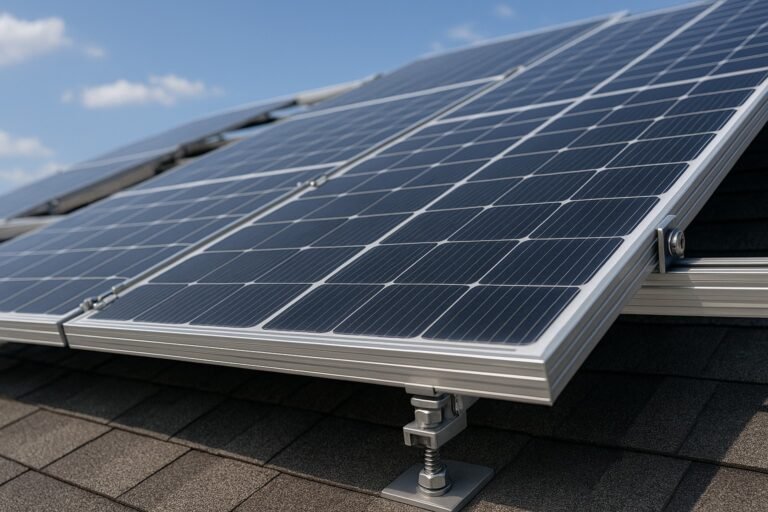
When you’re selecting solar panel mounts for your home or business, you’re essentially choosing the foundation that keeps your entire solar energy system stable, safe, and efficient. These mounts are the mechanical structures that secure solar panels in place—whether on a roof, on the ground, or even on a pole—and they play a bigger role than most people realize. The right mounting system not only ensures that panels face the optimal direction for maximum sunlight exposure but also protects them from harsh weather, shifting winds, and structural stress over time.
Understanding the full range of solar panel mounting options—from roof kits and mounting rails to brackets, hardware, and even DIY-friendly setups—helps you make a smarter, long-term decision. Whether you’re a homeowner planning a rooftop installation or a business owner considering a large ground-mounted array, knowing how mounts work and which type suits your property can make the difference between a system that lasts 10 years and one that performs flawlessly for 30.
Understanding Solar Panel Mounts & Why They Matter
Solar panel mounts, also known as racking systems or mounting hardware, are the backbone of every solar installation. They’re the components that hold your solar panels securely in place, connecting them to your roof, the ground, or another surface. Beyond simple support, these mounts are carefully engineered to ensure panels are angled and oriented correctly for maximum sunlight exposure throughout the day.
The quality and design of your mounting system directly influence your solar system’s performance, safety, and lifespan. A well-designed mount minimizes shading, prevents structural stress, and ensures the panels can withstand strong winds, heavy snow, and temperature fluctuations. If mounts are poorly chosen or installed, even the best solar panels won’t perform efficiently or last as long as they should.
From a financial perspective, mounting equipment typically accounts for about 10% of a solar installation’s total cost, which makes it a small yet vital investment in the overall system. Experts often emphasize that selecting the right materials—such as corrosion-resistant aluminum or galvanized steel—and considering local environmental factors like wind load, snow weight, or seismic activity can make all the difference. A durable and properly installed mounting system not only keeps your panels stable but also protects your investment for decades to come.
Key Types of Solar Panel Mounting Systems
Solar panel mounts come in several types, each designed for specific surfaces, property conditions, and energy goals. Understanding these mounting systems helps you choose the most efficient, cost-effective, and durable option for your setup.
Roof-Mounted Systems
Roof-mounted systems are the most common type for residential installations because they make use of existing space.
For pitched roofs, the choice of mounts depends on the roofing material:
- Shingle roofs often use rail-based or rail-less systems that attach securely with flashing to prevent leaks—these are commonly sold as a solar panel roof mounting kit.
- Tile roofs need specialized hooks or tile replacements to avoid cracking and maintain weatherproofing.
- Metal roofs can use clamp-style mounts that attach without penetrating the surface, ideal for long-term durability.
For flat roofs, installers may choose ballasted mounts that rely on weight rather than roof penetration, or tilted penetrating mounts that use anchors for extra stability. Homeowners looking for easy, adaptable options can also explore solar panel mounts for shingle roofs that simplify installation while maintaining roof integrity.
Ground-Mounted Systems
When the roof isn’t suitable or you want more flexibility in orientation, ground-mounted systems are a great alternative. These mounts are installed on open land using either fixed-tilt structures—which remain stationary—or tracking systems that follow the sun’s path to maximize energy production. Single-axis trackers adjust throughout the day, while dual-axis trackers move both horizontally and vertically for maximum efficiency. Ground mounts are perfect for properties with large yards or open fields, especially when the roof lacks the ideal angle or strength for mounting panels.
Pole-Mounted Systems
Pole-mounted solar systems elevate panels above the ground using a single pole or multiple supports. They’re ideal for rural or remote locations where ground space is available but direct sunlight is limited by trees or nearby structures. Pole mounts can be adjusted for tilt and azimuth, helping you capture optimal sunlight year-round. They’re also more accessible for cleaning and maintenance, though they require deeper foundations and stronger hardware to withstand wind pressure.
Other Or Advanced Mounts
Beyond the traditional setups, there are specialized solar mounting systems designed for unique applications. Solar carports serve a dual purpose by providing shade for vehicles while generating electricity. Floating PV mounts are used on water bodies to save land space and reduce panel temperatures, improving efficiency. Building-integrated PV (BIPV) systems integrate panels directly into roofs or façades for a sleek, architectural look.
For DIY enthusiasts or smaller off-grid setups, adjustable solar panel brackets and DIY solar panel mounting brackets offer flexibility and affordability. These are especially useful for campers, boats, or small backyard systems where adjustability and simplicity matter most.
Components & Hardware Of Mounting Systems
Every reliable solar mounting setup depends on a collection of precise, interlocking components that work together to keep panels secure, aligned, and weather-resistant. Understanding how each part functions can help you identify quality products and avoid installation issues later.
Roof attachments, feet, hooks, and flashings form the foundation of any roof-mounted system. They anchor the racking structure to the roof while preventing water from leaking into your home. Flashings, in particular, are essential because they create a waterproof seal around the mounting points, protecting both the roof and underlying structure. Using poor-quality flashing or skipping it altogether can lead to long-term roof damage.
Mounting rails are the horizontal or vertical bars that hold the solar panels in place. There are several rail designs, including shared-rail systems (which reduce material use by letting two rows of panels share a rail), railless systems (lightweight and ideal for smaller roofs), and mini rails (used for metal roofs or compact installations). These rails ensure precise alignment and even load distribution across all panels.
Module clamps—both mid-clamps and end-clamps—secure each solar panel to the rails. Mid-clamps connect panels in the middle of a row, while end-clamps fasten the panels at the edges. Along with mounting brackets, such as adjustable solar panel brackets, they maintain proper spacing and tilt for optimal performance.
Fasteners, bolts, and anchors hold everything together, and their material matters. Stainless steel components are known for corrosion resistance and long-term strength, whereas aluminum options offer lightweight durability but may require protective coatings in coastal or high-humidity areas. Choosing the right combination prevents galvanic corrosion and extends the life of your system.
Finally, compatibility is key—your solar panel mounting rails and solar panel mounting brackets must match the type and size of your panels as well as the structural layout of your installation. Using mismatched components can compromise safety, lead to poor alignment, or void warranties. A properly matched and installed system ensures maximum energy output and long-term peace of mind.
Choosing The Right Mount For Your Situation
Selecting the right solar panel mounts depends on several factors—your roof type, location, budget, and long-term energy goals. Because every property has unique conditions, there’s no one-size-fits-all approach. A well-chosen mount ensures your panels stay secure, perform efficiently, and last for decades.
The roof type and condition play a major role in the decision. For example, solar panel mounts for shingle roofs often use flashing and lag bolts for waterproof, secure attachment. Tile roofs require special hooks or tile replacements to prevent damage, while standing seam metal roofs use clamps that attach without drilling. Flat or IBR metal roofs may need tilted frames to achieve the right angle. The key is matching the mount design to the surface so that it’s both stable and watertight.
Orientation and tilt also matter. Mounts should position panels at an angle that maximizes sunlight exposure and minimizes shading throughout the year. A small difference in tilt or direction can significantly affect total power output. Professional installers often use shading analysis tools to determine the best placement for your panels.
Environmental conditions like wind load, snow accumulation, and seismic activity must also be considered. Coastal or high-wind regions require reinforced structures, while snowy climates need mounts strong enough to handle extra weight. The durability and safety of the system rely heavily on how well it’s engineered for local conditions.
Material and finish influence both performance and longevity. Aluminum mounts are lightweight, rust-resistant, and easy to install, while galvanized steel options offer superior strength but can be heavier. Polymer-based alternatives are emerging as corrosion-free and lightweight solutions for smaller or portable setups. Each material has advantages depending on your environment and system size.
Budget should never be the sole deciding factor. While cheaper hardware might look appealing, high-quality mounts typically save money in the long run by reducing maintenance and preventing damage. Look for certified materials and warranties that back long-term reliability.
It’s also wise to plan for future expandability—choosing mounts that can support additional panels or different module sizes later helps you scale your system easily.
Finally, decide between DIY and professional installation. Some homeowners install small setups themselves using easy-to-assemble kits, while larger or roof-mounted systems benefit from expert installation. A professional ensures the mounts are properly sealed, leveled, and compliant with local codes—giving you peace of mind that your investment is built to last.
Installation Best Practices & Common Pitfalls
A proper installation process ensures your solar panel mounts stay secure, watertight, and efficient for decades. The first step is thorough site preparation, including a full structural inspection of your roof or ground area. Roof rafters, trusses, and overall condition must be checked to confirm they can handle the system’s weight. In most regions, you’ll also need permits before starting work—these help ensure your setup meets local building and safety codes.
Flashing and sealing are critical in roof-mounted systems. Proper flashing around every mount prevents water leaks, which could otherwise lead to structural damage. It’s a detail that should never be skipped, even in DIY setups.
During installation, rail alignment and wire management are key for performance and appearance. Rails must be perfectly level so that panels align evenly, and all electrical cables should be neatly organized and shielded from weather exposure. Poor wire management can create hazards or reduce system efficiency over time.
Next, torque, fastening, and anchoring are essential for keeping mounts secure under wind or snow loads. Each fastener must be tightened to the manufacturer’s specified torque to prevent loosening or damage. Also, remember that metal expands and contracts with temperature changes, so allowances for thermal expansion and corrosion protection should always be built in.
Common pitfalls include using undersized mounts, skipping flashing, or relying on cheap, untested hardware that can fail prematurely. Ignoring maintenance is another costly mistake—simple inspections every few months can prevent long-term issues.
Expert tip: Even if you’re experienced with tools, always consult or have your installation reviewed by a certified solar installer—especially for complex roof systems or large arrays. Their insight ensures compliance, longevity, and safety.
Special Considerations & Unique Insights
As solar technology evolves, new mounting options and innovations have made systems more efficient, flexible, and easier to maintain. One great example is tilt-adjustable mounts, especially common in pole-mounted systems. These allow you to change the panel angle seasonally, increasing annual energy yield by maximizing sunlight capture year-round.
Railless and mini-rail systems are gaining popularity for their simplicity and reduced material costs. They’re ideal for smaller roofs or homeowners seeking a sleek, low-profile look. The trade-off is that they require more precise installation and may have slightly higher maintenance in certain conditions.
Recent advancements have introduced polymer-based mounting structures and other lightweight materials that resist corrosion and reduce load on roofs—an advantage for older buildings or coastal regions with high humidity.
For nonstandard surfaces like corrugated metal, inverted box rib (IBR) roofs, or delicate tiles, specialized mounting kits and DIY solar panel mounting brackets make installation possible without damaging the roof. These designs adapt to irregular surfaces while maintaining strength and waterproofing.
Small details often make the biggest difference. Accessories like grounding lugs, bonding hardware, and spring-loaded mid-clamps improve electrical safety and stability but are sometimes overlooked. Including them ensures better conductivity and long-term reliability.
Finally, a solid maintenance strategy keeps your mounts in excellent condition. Inspect fasteners periodically, clean dirt or debris that may collect around the base, and check for corrosion—especially after extreme weather. Adapting your maintenance routine to seasonal changes helps preserve both your mounting structure and the panels themselves for decades of dependable service.
Top Brands, Suppliers & Where To Buy
When it comes to solar panel mounts, quality and certification matter as much as design. Trusted mounting brands such as IronRidge, Unirac, and a few other leading manufacturers have built strong reputations for providing durable, code-compliant systems that meet global engineering standards. These brands are known for extensive testing, precise engineering, and long-term warranties that ensure the mounts remain reliable under harsh conditions.
Before purchasing, it’s wise to evaluate the supplier’s quality and credentials. Look for certifications like UL, TÜV, or AS/NZS, which confirm that the products have passed rigorous safety and performance tests. A reputable supplier should also offer engineering support, detailed manuals, and responsive customer service to guide you during installation or system design.
Deciding what to buy depends on your project scale. Homeowners often prefer complete solar panel roof mounting systems that come as ready-to-install kits, including rails, clamps, and hardware. For professionals or large-scale setups, buying individual components—like specific solar panel mounting hardware or customized rails—provides more flexibility for complex designs or mixed-roof conditions.
Lastly, consider regional availability and shipping. If you’re outside the U.S., check whether the supplier ships internationally and if the mounts meet your country’s local building and electrical standards. Reliable suppliers often maintain global distribution networks, ensuring consistent quality and quick delivery no matter where you’re located.
Cost, ROI & Long-Term Considerations
Although solar panel mounts make up only about 10% of a solar system’s total cost, their role is critical in determining overall system performance and reliability. High-quality mounting systems might have a higher upfront price, but they pay off through reduced maintenance costs and fewer structural issues over time.
Most well-made mounts are designed to last 20 years or more, often matching or exceeding the lifespan of the solar panels themselves. Their longevity, however, depends on the materials used—for example, aluminum mounts resist corrosion better than untreated steel—and the local environment, including humidity, salt exposure, and wind intensity.
When installed properly, maintenance costs are minimal. Occasional inspections to check for loose bolts, corrosion, or debris are typically all that’s needed. This low upkeep translates to steady long-term savings by preserving energy efficiency and avoiding costly repairs.
Another financial advantage comes from improved resale value and reliability. A home or commercial property equipped with durable, well-engineered solar mounts demonstrates strong structural integrity, which can be appealing to buyers and investors.
From an expert perspective, it’s better to invest wisely in quality mounts upfront than to save money on low-grade hardware that may fail or rust prematurely. A secure, weather-tested mounting system ensures that your panels stay firmly in place, maximizing your energy production and protecting your solar investment for decades to come.
Conclusion
Choosing the right solar panel mounts is one of the most important decisions you’ll make when installing a solar energy system. The mount determines not only how efficiently your panels capture sunlight but also how safely they withstand environmental stress like wind, snow, and temperature changes. From solar panel mounting rails that support precise alignment to solar panel mounting brackets that secure every connection, quality hardware ensures your system runs efficiently and remains structurally sound for decades.
Ultimately, success in solar installation depends on combining the right equipment with proper planning and expertise. Whether you’re handling a small DIY project or a full commercial setup, doing thorough research—or working with a qualified installer—will save you time, money, and future repairs. With the right mounts selected and installed, your solar panel system will stand strong, perform efficiently, and serve you for decades.
FAQ’s:
Can I Use Adjustable Solar Panel Brackets To Significantly Boost Output?
Yes, adjustable solar panel brackets can help improve efficiency, especially in areas with seasonal sunlight variation. By adjusting the panel angle during different times of the year, you can capture more direct sunlight and slightly increase overall energy output. While the gain isn’t massive, it can make a noticeable difference for off-grid or high-latitude systems.
Are Diy Solar Panel Mounting Brackets Safe For A Residential Roof?
DIY solar panel mounting brackets can be safe if they’re high quality, correctly installed, and designed for your specific roof type. However, mistakes in sealing, flashing, or load distribution can lead to leaks or damage. For larger or permanent setups, it’s best to have a professional inspect or verify the installation to ensure compliance with safety codes.
What Roof Types Are Not Suitable For Standard Roof-Mounted Systems?
Roofs with severe structural wear, unstable materials, or very steep angles may not support traditional mounts safely. Fragile materials like clay or slate tile require special brackets and careful handling to prevent cracks. In such cases, ground-mounted or carport systems might be safer and more efficient alternatives.
How Do I Know If My Roof Can Handle The Mounting Load?
Before installation, a structural inspection is essential. A qualified installer or engineer will check rafter spacing, roof age, and load-bearing capacity. Most modern roofs can handle the weight of solar panels and mounts, but older roofs may need reinforcement or repairs before installation.
What Maintenance Do Solar Panel Mounts Require Over Time?
Maintenance is minimal but important. Check bolts, clamps, and rails annually for tightness and corrosion. Clean debris that may collect around the mounts and inspect flashing to ensure there are no leaks. After extreme weather, it’s smart to do a quick visual inspection to confirm everything remains secure.
How Do I Choose Between Roof-Mounted Vs Ground-Mounted Vs Pole-Mounted?
Your choice depends on space, orientation, and shading. Roof-mounted systems work best when your roof faces the sun and is in good condition. Ground mounts are ideal if you have open land and want easy access for cleaning or expansion. Pole mounts suit rural or uneven terrain where sunlight angles vary. Consider your property layout, budget, and long-term goals before deciding.
Disclaimer
The information in this article about solar panel mounts is intended for general educational purposes only. It should not replace professional advice, structural assessment, or local code consultation. Always seek guidance from a certified solar installer or engineer before purchasing or installing any solar mounting system.
