
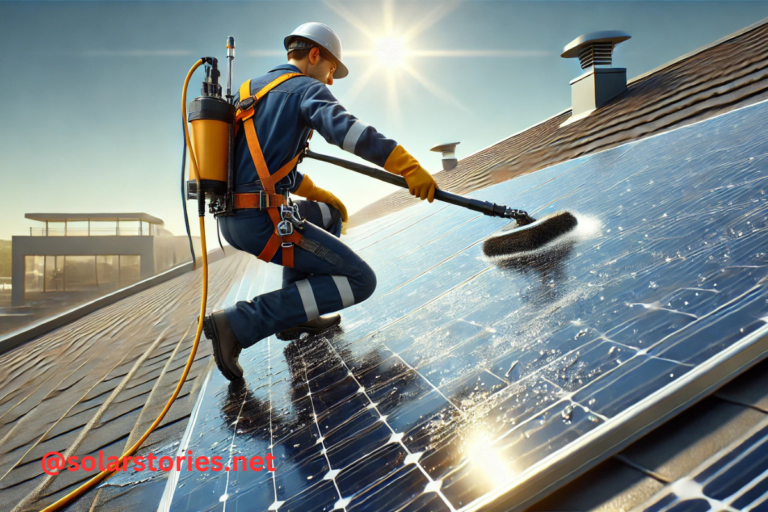
If you’ve invested in solar panels, you already know they’re built to save energy, cut electricity costs, and reduce your dependence on the grid. But what many homeowners and businesses don’t realize is how much cleanliness affects the performance of those panels. Dust, pollen, bird droppings, and pollution settle on the glass over time, blocking sunlight and slowly reducing the system’s ability to generate power. Even a thin layer of dirt can cause noticeable energy loss, and if it stays long enough, it may lead to long-term issues like staining or hotspots.
This is where a solar panel cleaning service becomes a smart, expert-backed solution. Instead of guessing when or how to clean the panels, professional cleaners use the right tools, safe techniques, and industry-guided methods to restore efficiency without risking damage. Whether you own a small home installation or manage a larger commercial system, regular, proper cleaning ensures your panels continue working at their full potential while protecting your long-term investment.
Why Clean Solar Panels At All? — The Hidden Costs Of Dirt And Debris
Keeping solar panels clean isn’t just about making them look better. It directly affects how much electricity they produce. When dust, bird droppings, pollen, leaves, or pollution settle on the surface, they block sunlight from reaching the solar cells. Even a light layer of grime reduces the amount of light the system can absorb, which means the panels generate less power. In areas with heavy dust, nearby trees, high-traffic roads, or frequent bird activity, this buildup happens much faster than most owners expect.
Studies and field reports consistently show that dirty solar panels can lose 15 to 25 percent of their energy output, and in some cases even more. That drop doesn’t happen overnight — it’s gradual, so many owners don’t notice it until their electricity production becomes noticeably lower. Regular cleaning prevents this steady decline and helps the system maintain its promised efficiency.
There are also long-term risks when panels stay dirty for too long. Stuck debris and stubborn buildup can cause permanent staining, which reduces output even after cleaning. Bird droppings and thick dirt can trap heat, increasing the chances of hotspot formation and thermal stress. Over time, this can affect the panel’s lifespan, damage internal components, or make it harder to claim warranty coverage if maintenance requirements aren’t met. Cleaning at the right intervals protects your investment and keeps the system running safely and efficiently.
How Often Should Solar Panels Be Cleaned? Factors That Influence Cleaning Frequency
Most solar experts recommend cleaning panels once or twice a year as a general guideline. This schedule works well for many regions where weather, pollution levels, and dust accumulation remain moderate throughout the year. However, cleaning frequency isn’t the same for everyone — it depends heavily on your environment and how quickly dirt builds up on your system.
Some installations require more frequent cleaning. If your panels are installed in an area with high dust levels, heavy traffic, industrial activity, nearby farmland, or ongoing construction, the buildup can accumulate much faster. Locations with frequent bird activity, dense trees, falling leaves, or seasonal pollen also see quicker soiling, which can noticeably affect energy output if not addressed.
Weather patterns also play a major role. Regular rainfall can help rinse away loose dust, reducing the need for manual cleaning. On the other hand, dry or arid climates allow dirt to cling to the panels, and wind can carry sand or fine particles that accumulate over time. In these environments, manual cleaning becomes more essential to maintain performance.
Finally, one of the clearest signals that it’s time to clean your solar panels is a sudden or gradual drop in energy production that can’t be explained by cloud cover, seasonal changes, or equipment issues. Monitoring your system’s output helps you spot these changes early, making it easier to decide when a cleaning is due and preventing unnecessary power loss.
DIY Cleaning Vs Professional Solar Panel Cleaning Service — Pros, Cons And When To Choose Each
Cleaning solar panels may look simple, but the approach you choose can make a big difference in both safety and long-term system performance. Homeowners generally choose between cleaning the panels themselves or hiring a professional solar panel cleaning service. Each option has its own benefits and risks, and knowing when to use which one helps you protect your investment.
DIY Cleaning (Self-Service)
Pros:
Cleaning your panels on your own is cost-effective and convenient, especially when you’re dealing with light dust or surface-level buildup. With basic tools like a soft brush, clean water, and a gentle cleaning solution, many homeowners can handle simple maintenance, particularly if the panels are easy to access from the ground or a low roof.
Cons / Risks:
The biggest concern with DIY cleaning is safety. Working on rooftops, especially with water and equipment involved, carries the risk of slipping, falling, or coming into contact with live electrical components if the system isn’t properly shut down.
Another risk comes from using the wrong tools. Harsh chemicals, abrasive materials, or power washers can scratch the glass surface, weaken seals, and potentially reduce the efficiency of the panels. These mistakes aren’t always noticeable immediately but can lead to long-term performance issues. DIY cleaning also struggles with stubborn grime like bird droppings, tree sap, heavy pollen buildup, and industrial pollution — these typically require professional-grade cleaning techniques.
Professional Solar Panel Cleaning Service
Hiring a professional service ensures a more thorough and safe cleaning. Professionals use soft, non-abrasive tools, purified water systems, and techniques specifically designed for solar panels. This reduces any risk of damage to the glass, coatings, or seals.
A key advantage of professional cleaning is the added layer of inspection. Trained technicians can spot early signs of wear, loose mounts, wiring problems, or shading issues that most homeowners would miss. This kind of proactive check helps prevent small issues from turning into costly repairs.
Using a professional service also saves time and removes safety concerns entirely. For many systems, especially larger or rooftop installations, proper cleaning is sometimes a required part of warranty maintenance. Documented, expert cleaning ensures that your coverage remains valid while keeping your system running safely and efficiently.
What Professional Solar Panel Cleaning Service Usually Includes — What to Expect
A professional solar panel cleaning service does more than just wash the surface. It follows a structured, safety-focused process designed to restore performance, protect the panels, and identify potential issues before they become serious. Here’s what most homeowners and businesses can expect when hiring a professional team.
Professionals begin with a thorough surface cleaning using soft brushes, mild biodegradable cleaning solutions, and gentle water pressure. This removes loose dust, dirt, and pollen without scratching the glass or damaging the protective coating. They use the right amount of water and avoid aggressive tools, ensuring the panels are cleaned effectively and safely.
For tougher buildup like bird droppings, tree sap, and pollen that has hardened over time, professionals use targeted techniques. Instead of high-pressure washing, which can damage seals or force water into unwanted areas, they rely on soaking, gentle scrubbing, or specialized cleaners designed for solar surfaces. These methods lift stubborn dirt without harming the panels.
Professional services also include a visual inspection. While cleaning, technicians often check the condition of the wiring, mounting hardware, surrounding shading issues, and even the inverter area. This turns a simple cleaning visit into a light maintenance check, helping catch loose bolts, early wear, or other small problems that homeowners might not notice.
Safety is a central part of the process. Professionals switch off the system properly before cleaning, use secure ladder and roof techniques, and avoid stepping on the panels themselves. They also avoid cleaning during peak sunlight or extreme heat to prevent thermal stress, streaking, or rapid evaporation, which can affect cleaning quality.
Overall, a professional cleaning service delivers more than a polished surface — it restores efficiency, protects the system, and ensures the panels continue to operate safely and reliably.
How Much Does Solar Panel Cleaning Service Cost — What Influences Price & What To Expect
The cost of a solar panel cleaning service can vary, but many companies charge per panel, with typical rates ranging from $5 to $15 per panel. For an average 20-panel residential system, this usually comes out to about $100 to $300. While prices differ from region to region, this range gives most homeowners a realistic idea of what to expect.
Several factors influence the final cost. The number of panels is the biggest one — larger systems naturally require more time and labor. Accessibility also plays a major role. Panels on steep roofs, multi-story buildings, or difficult-to-reach areas usually cost more to clean due to the added equipment and safety measures required. The level of dirt buildup affects pricing as well. Light dust is easy to clean, but hardened grime, bird droppings, tree sap, or pollution buildup may require additional time and specialized cleaning methods.
Local labor costs and demand in your area can also affect pricing, as can the frequency of cleaning. Some homeowners schedule routine cleanings once or twice a year, while businesses or large installations may require more frequent visits, especially in dusty or industrial regions.
For areas exposed to heavy pollution, construction dust, or large commercial arrays, the cost may be higher. However, the long-term benefits often outweigh the price. Regular cleaning helps maintain peak efficiency, prevents damage caused by buildup, and supports the overall lifespan of the solar system. In many cases, the improved energy production after a proper cleaning makes the service a worthwhile investment.
When & How To Clean: Best Practices For Safe And Effective Solar Panel Cleaning
Cleaning solar panels the right way is just as important as cleaning them regularly. A careful, safety-focused approach protects both the system and the person doing the work. Whether you prefer DIY cleaning or simply want to understand how professionals handle the process, these best practices ensure safe and effective results.
It’s always best to clean your panels during cooler parts of the day, such as early morning, late afternoon, or on an overcast day. Cleaning under direct midday sun can cause water to evaporate too quickly, leaving streaks behind. It can also create sudden temperature changes that place thermal stress on the glass.
Before any cleaning begins, make sure the entire solar system is turned off using the proper AC/DC isolation steps. This minimizes the risk of electric shock and keeps the system safe during the cleaning process. If you’re unsure how to shut it down correctly, it’s safer to consult a professional or check your system’s manual.
Use soft, non-abrasive tools to avoid scratching the panel surface. Long-handled brushes, soft sponges, or a squeegee work well. Mild biodegradable soap or non-abrasive cleaners are ideal, paired with a gentle water spray. Avoid power washers or harsh chemicals, as they can damage the glass, coatings, or seals around the panel edges.
Once you’re done cleaning, rinse thoroughly. Any leftover soap residue can attract dust, causing the panels to get dirty faster and reducing the effectiveness of your cleaning efforts. And remember: never walk on your panels. They are not built to support weight, and stepping on them can cause cracking or internal damage.
Signs You Need Solar Panel Cleaning Service
Solar panels don’t always show obvious signs when they need attention, but a few indicators can help you decide when it’s time to call a cleaning service. The most noticeable sign is visible buildup. If you see dust, bird droppings, dried leaves, pollen, or grime sitting on the panels, it’s safe to assume performance is being affected. These layers reduce how much sunlight reaches the cells, which directly impacts energy production.
Another reliable sign is a sudden or gradual drop in your system’s output that doesn’t align with weather changes or seasonal shifts. Modern solar systems often come with monitoring apps or dashboards, making it easy to track energy production. If numbers fall unexpectedly, dirt may be the culprit.
You should also schedule cleaning after dust storms, nearby construction, heavy pollution days, or long dry periods. Events like these leave behind thick debris that rain usually can’t remove. Homes surrounded by trees, bird nests, or pollen-heavy plants may need cleaning more often, as organic buildup tends to stick firmly to the surface.
Advanced & Expert Tips: Beyond Basic Cleaning
To maximize your solar system’s performance and lifespan, it helps to go a little beyond basic cleaning. Pairing your cleanings with periodic full-system maintenance is one of the best things you can do. This includes checking wiring connections, inverter performance, mounting brackets, potential shading issues, and even inspecting for micro-cracks on the panels. Catching small issues early prevents larger repairs later.
For larger rooftops or commercial setups, automated cleaning systems or water-efficient robotic cleaners are becoming more common in 2025. These solutions reduce labor needs and maintain consistency, especially in dusty regions or high-use environments.
It’s also smart to keep a cleaning log or simple documentation of each service. Some manufacturers require proof of maintenance to keep warranties valid, so having a record helps you avoid any trouble if you ever need to file a claim.
Seasonal preparation makes a big difference as well. Before dry, dusty months begin — or after heavy rains, autumn shedding, or local storms — scheduling a cleaning keeps the panels working at their best. Finally, tracking performance before and after each cleaning helps you see the real gains. This not only justifies the cost but also helps you fine-tune future cleaning schedules.
Choosing the Right Solar Panel Cleaning Service — What to Look For
When searching for a “solar panel cleaning service near me”, or for more specific terms like solar panel cleaning service near Washington, DC or near Georgetown, Washington, it’s important to choose a provider that follows industry-safe practices.
Start by checking that they use soft, non-abrasive cleaning tools and avoid power washers or harsh chemicals. These can damage your panels, even if the service claims otherwise. They should also know how to properly shut down the solar system before beginning any work and follow safe rooftop procedures.
A good service doesn’t just clean — it inspects. Look for a provider that checks wiring condition, mounting integrity, shading issues, and other basic maintenance points while they work. This adds extra value and helps protect your investment.
Before hiring, ask about their pricing structure. Some charge per panel, while others offer fixed-rate packages that include inspection or follow-up cleaning. Make sure you understand what’s included so you can compare options fairly.
Lastly, choose a company with strong customer reviews, local experience, and an understanding of your region’s environmental conditions. A service familiar with your area’s dust levels, weather patterns, and pollution sources will make better recommendations and help you maintain your system more effectively. Documentation is another plus; a reputable service will provide records that support warranty compliance.
Conclusion
Keeping your solar panels clean isn’t just about appearance — it directly affects how well your system performs and how long it lasts. A reliable solar panel cleaning service helps restore lost efficiency, remove stubborn buildup, and prevent problems that dirt can cause over time. Without regular cleaning, panels can lose a significant amount of energy production, and long-term grime can lead to staining, hotspots, or damage that shortens their lifespan.
For both homeowners and businesses, adopting a regular maintenance plan that includes cleaning and basic inspections is one of the smartest ways to protect your investment. When panels stay clean and properly maintained, they operate closer to their full potential, deliver better returns on energy savings, and reduce the likelihood of unexpected repair costs. A well-cared-for solar system doesn’t just work better — it works longer, giving you the highest value from your renewable energy setup. Let me know if you want me to compile the entire article into one final version.
FAQ’s:
Do Solar Panels Clean Themselves With Rain?
Rainwater helps remove loose dust, but it usually doesn’t wash away sticky debris like pollen, bird droppings, tree sap, or industrial grime. These materials cling tightly to the surface and continue blocking sunlight even after a storm. This is why manual cleaning or a professional service is still important for maintaining maximum efficiency.
Can I Power-wash My Solar Panels?
No. Power-washing is unsafe for solar panels. High-pressure water can damage the seals around the edges, crack the glass, or push water into parts of the system where it doesn’t belong. Even if the damage isn’t visible at first, it can show up later as performance drops or system failures. Gentle methods are always safer.
Will Cleaning Void My Warranty?
Cleaning doesn’t void your warranty. In fact, many manufacturers require regular cleaning and basic maintenance for the warranty to remain valid. The risk comes from neglect. If a panel fails due to long-term dirt buildup or lack of maintenance, the manufacturer may refuse coverage. Keeping documentation of cleanings can help protect your warranty rights.
Is There A “One-Size-Fits-All” Cleaning Schedule?
There isn’t. The ideal cleaning schedule depends on your environment. Dusty regions, pollution-heavy areas, dry climates, and homes near trees or birds may need more frequent cleaning. Meanwhile, regions with regular rain or lower pollution levels may need it less often. The best approach is to monitor your system’s performance — any unexplained drop usually points toward the need for cleaning.
Disclaimer
The information in this article is for general guidance only and should not replace professional advice. Always follow your solar manufacturer’s instructions and consult qualified technicians for system-specific maintenance, cleaning, or safety recommendations.
