
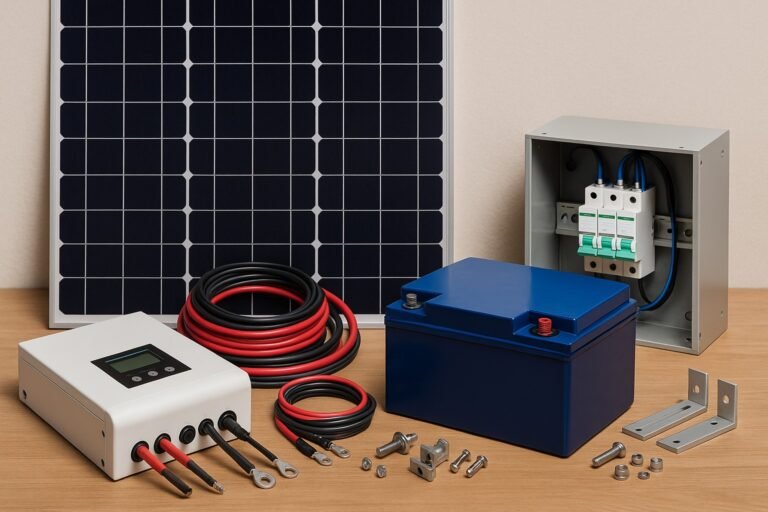
If you’ve ever looked at your electricity bill and wondered whether there’s a smarter way to power your home, you’re not alone. More homeowners today are turning toward solar, not just because it lowers monthly costs but because it offers a sense of control over energy use. A solar installation kit is basically the easiest entry point into that world. Instead of buying every component separately or trying to figure out complicated wiring on your own, a kit bundles everything you need into one ready-to-use package.
Most people choose a solar installation kit for home when they want something simple, predictable, and beginner-friendly. These kits usually include solar panels, mounting hardware, an inverter, wiring, and sometimes even batteries if you pick a solar panel kit with battery and inverter. For homeowners who want energy independence or a backup plan during outages, a residential solar installation kit with battery storage provides exactly that. And because these kits are designed to work together right out of the box, the risk of mismatched parts or installation errors becomes much lower.
The rise in demand for complete solar kits is no surprise. Energy costs keep climbing, weather patterns have become unpredictable, and people want reliable power without relying completely on the grid. Ready-made kits make solar far more accessible than it used to be, especially for beginners who want a clean energy setup without becoming electrical engineers first. Whether you’re planning a small starter system or a bigger setup with backup batteries, a well-chosen kit can help you start saving energy from day one.
Understanding A Solar Installation Kit: Complete Breakdown
A solar installation kit may look like a single product, but it’s actually a full system built from several components working together. Each part plays a specific role, and once you understand what these pieces do, choosing the right kit becomes a lot easier. Below is a simple, beginner-friendly breakdown of the parts you’ll find in almost every kit and how they fit into your home’s energy setup.
Core Components Found In Most Solar Kits
Solar Panels
These are the main power producers. They sit on your roof, absorb sunlight, and convert it into electricity. Most modern kits include monocrystalline panels because they’re efficient and work better in low-light conditions.
Charge Controller / MPPT
A charge controller protects your batteries from overcharging. MPPT controllers are the advanced version — they squeeze more usable power from your panels, especially during cloudy weather or fluctuating sunlight.
Inverter (On-Grid, Off-Grid, or Hybrid)
Solar panels produce DC electricity. Your home uses AC. The inverter converts one into the other.
- On-grid inverters feed power directly into the grid.
- Off-grid inverters connect to batteries instead of the grid.
- Hybrid inverters do both, giving you grid power + backup storage flexibility.
Lithium or AGM Batteries
Kits that include backup storage use either:
- Lithium LiFePO₄ batteries, which last longer and charge faster.
- AGM lead-acid batteries, which are cheaper but heavier and less efficient.
A solar panel kit with battery and inverter usually includes lithium batteries because they give better performance for home use.
Mounting Brackets + Rails
These hold your solar panels in place. Good mounting hardware makes installation safer and ensures your panels stay firmly secured during storms or high winds.
Wiring, Fuses, and Breakers
These protect your system from electrical overloads. Proper wiring and safety components are essential to avoid short circuits, overheating, or fire hazards.
Solar Combiner Box (Advanced Kits)
Larger or more professional-grade kits include a combiner box. It organizes and protects multiple panel connections, making the system safer and more efficient.
Difference Between On-Grid, Off-Grid, And Hybrid Kits
Choosing the right type of solar kit depends on how you plan to use solar power. Here’s a simple guideline to help you match the system with your needs.
On-Grid Solar Panel Kits for Home
These connect directly to your local electricity grid.
Best for:
- Homes in cities or towns
- People who want to reduce monthly bills
- Areas with few power cuts
No batteries required, which lowers the cost.
Off-Grid Solar Panel Kit with Battery and Inverter
This setup works independently from the grid.
Best for:
- Remote locations
- Farms, cabins, and village areas
- Homes with frequent load-shedding or unreliable electricity
It includes batteries, so your home keeps running even when the sun is down.
Hybrid Solar Installation Kit with Backup
Hybrid systems combine both worlds — they connect to the grid and include batteries.
Best for:
- Homes that want bill savings + backup during power outages
- People who want long-term energy independence
- Anyone planning future expansion
Hybrids are popular because they offer flexibility without fully committing to off-grid living.
Rated Power Capacity: 1kW to 20kW Kits
Solar installation kits come in different sizes. The right one for you depends on your home’s daily electricity use.
1kW–3kW Kits for Small Homes
Suitable for:
- One-bedroom homes
- Apartments
- Basic appliances such as lights, fans, small fridge
These small kits are budget-friendly and easy to install.
5kW–8kW Kits for Medium-Sized Homes
Suitable for:
- Two to four-bedroom homes
- Families using ACs, refrigerators, washing machines
A 5kW–8kW system hits the sweet spot for most households. Many complete solar power kits for homes with battery start in this range.
10kW–20kW Kits for Large Homes or Businesses
Suitable for:
- Larger homes
- Home offices
- Small shops, schools, or guest houses
These high-capacity kits produce enough energy to run multiple AC units, heavy appliances, and backup systems during outages.
How To Choose The Right Solar Installation Kit
Choosing the right solar installation kit isn’t complicated once you understand what your home actually needs. Many people buy a system based on price or size alone, but the best results come from matching the kit to your energy usage, sunlight conditions, and the type of backup you expect. The following points break everything down into clear steps.
Decide Based On Your Energy Consumption
Before picking any kit, you need to understand how much electricity your home uses each day. The easiest way is to check your monthly electricity bill and look for the “kWh” section.
To calculate your daily usage:
- Monthly kWh ÷ 30 = Daily kWh needs
For example:
If your monthly bill shows 450 kWh, then your daily usage is roughly 15 kWh.
A simple guideline based on real solar installations:
1kW–3kW Kit
- Good for small homes, apartments, basic appliances (lights, fans, TV, small fridge).
Daily usage range: 3–8 kWh.
5kW–8kW Kit
- Ideal for medium-sized families using a refrigerator, washing machine, and occasional AC usage.
Daily usage range: 10–20 kWh.
10kW–20kW Kit
- Recommended for larger homes or homes running multiple AC units. Also suitable for small commercial setups.
Matching system size to your kWh usage helps ensure you neither overspend nor fall short during peak hours.
Battery Capacity & Backup Duration
If you live in an area with frequent outages or simply want night-time backup, battery capacity becomes a key factor. Batteries store the excess solar energy made during the day and release it at night or during load shedding.
Here’s what to consider:
Lithium (LiFePO₄) Batteries
- Longer lifespan (8–12 years)
- Faster charging
- Deeper discharge allowed
- Best choice for residential use
They work well with any solar installation kit with battery.
Lead-Acid / AGM Batteries
- Lower cost but shorter lifespan
- Heavier and require more space
- Suitable only for budget off-grid setups
How long will the battery last?
Backup duration depends on both battery size and your home’s consumption.
Example:
A 5kWh lithium battery can run basic appliances (lights, fans, WiFi, small fridge) for several hours at night.
A 10–15kWh battery bank is better for homes using heavier appliances or expecting longer outages.
If you’re purchasing complete solar power kits for homes with battery, most installers recommend a battery bank sized to provide 6–10 hours of backup for essential loads.
Selecting The Right Inverter Type
The inverter decides how your solar power flows. It’s one of the most important parts in any solar panel kit with inverter, so it’s worth choosing the right type.
Hybrid Inverter
This is the most flexible option. It pulls power from the grid, solar panels, or batteries depending on what’s available.
Best for:
- Homeowners wanting backup + grid savings
- Areas with occasional outages
Hybrid systems are now the most popular for residential setups.
String Inverter
These handle power from a row (string) of solar panels.
Best for:
- Homes with open roof space and no shading issues
- Medium to large installations
They are cost-effective but less suitable if panels face different directions.
Microinverter
A small inverter installed under each panel.
Best for:
- Homes with shading
- Complex roof shapes
- Expanding the system in the future
Microinverters improve performance because each panel works independently.
Choosing the right inverter ensures smoother power flow, safer operation, and a more stable energy supply throughout the day.
Roof Type, Space, And Sunlight Exposure
Your roof plays a bigger role than most people realize. Even the best solar installation kit won’t perform well if the roof isn’t suitable.
Solar installer tips from real experience:
Check the direction of your roof
- South-facing roofs (in most regions) capture the most sunlight.
- East or west-facing roofs still work but produce slightly less energy.
- North-facing roofs are usually least suitable.
Make sure there’s enough clear space
A 1kW system typically needs 80–100 sq ft, and larger systems need more.
Avoid placing panels near:
- Tall walls
- Water tanks
- Trees
- Nearby buildings that cast shadows
Roof material matters too
- Cement or metal roofs are easiest for mounting brackets.
- Clay tile roofs need extra care and sometimes special mounts.
- Old or damaged roofs should be repaired before installing a system.
Sunlight matters more than size
A smaller system on a good sunny roof often produces more power than a larger system in a shaded area.
This is why many installers use solar maps, shading tools, or simple real-time observation to assess the site before installation.
Expert-Backed Comparison Of Solar Installation Kits
Choosing between on-grid, off-grid, and hybrid systems becomes much easier when you compare them side by side. Each setup comes with its own strengths, costs, and ideal use cases. Below is a practical breakdown that reflects how professional installers evaluate systems in the field.
On-Grid Vs Off-Grid Vs Hybrid Kits
| Feature | On-Grid Solar Kit | Off-Grid Solar Kit with Battery | Hybrid Solar Installation Kit | RV Home Solar Kits / DIY Solar System Kits |
| Cost | Lowest cost; no batteries needed | Higher cost due to batteries | Moderate to high cost | Very low cost for small setups |
| Battery Requirement | Not required | Mandatory for storage | Optional but recommended | Small lithium battery or no battery |
| Backup Capacity | No backup during outages | Full backup depending on battery size | Partial or full backup | Limited backup (lights, fans, chargers) |
| Ideal Users | Urban homes with stable grid power | Remote areas, farms, cabins | Homes with outages + grid connection | Travelers, campers, vans, small DIY setups |
| Maintenance | Very low | Moderate (battery care needed) | Low to moderate | Very low; portable maintenance |
| Best For | Reducing utility bills | Complete independence from the grid | Balanced setup with backup + savings | Mobile living, short-term trips |
This comparison helps clarify that each kit serves a very different purpose. On-grid systems save money, off-grid systems give freedom, hybrids offer balance, and portable kits are compact solutions for travel or light use.
Top Materials & Technologies Used In Modern Kits
Solar technology has improved dramatically in the last few years. Today’s kits rely on advanced materials designed to produce more power while taking up less space.
Monocrystalline vs Polycrystalline Panels
- Monocrystalline panels are more efficient and work better in low light. Most modern residential kits use these.
- Polycrystalline panels are cheaper but produce slightly less energy.
Half-Cut Technology
Half-cut cells reduce internal power loss, especially in hot climates. They also handle shading better, making the system more stable across the day.
MPPT Charge Controllers
MPPT controllers extract maximum power from panels, especially during cloudy or fluctuating sunlight. They are now standard in most high-quality kits.
Lithium LiFePO₄ Batteries
These batteries have become the top choice because they last longer, charge faster, and operate safely at deep discharge levels. When paired with hybrid inverters, they create a reliable energy storage setup.
Step-By-Step Guide: Installing ASolar Installation Kit
A beginner can install a small kit, but even larger home systems follow the same basic structure. The goal is to make the process clear, simple, and manageable — especially if you’re using a DIY solar system kit or a portable RV setup. Here’s how professional installers break it down.
Pre-Installation Home Inspection Checklist
Before installing anything, walk through this checklist:
Sun Direction
Check where the sun hits your roof the longest. South-facing roofs usually receive the strongest sunlight.
Roof Angle
Most homes naturally fall between 20° and 30° — a good angle for panels. If your roof is very flat, you may need extra framing.
Shade Analysis
Look for shadows from nearby buildings, trees, or water tanks. Even small shadows can reduce output.
Wire Path
Plan where the DC and AC cables will run. A clean path reduces energy loss and makes maintenance safer.
How To Safely Mount The Panels
Mounting is where many beginners make mistakes. Here are the steps used by experienced installers:
- Lay out all mounting brackets and rails before lifting panels.
- Mark drilling points carefully to avoid damaging roof tiles or waterproofing layers.
- Fix the brackets tightly, ensuring they are level and aligned.
- Mount the rails and double-check stability by lightly shaking them.
- Place the panels onto the rails and secure them with clamps.
- Connect the panel wires using MC4 connectors, keeping everything neat and weather-protected.
A clean installation not only looks better but also improves airflow under the panels, which boosts efficiency.
Connecting The Charge Controller, Inverter, And Battery
Once the panels are mounted, the next part is wiring the system in the correct sequence:
Panels → Charge Controller → Battery → Inverter → Home
Here’s the flow explained simply:
- The solar panels generate DC electricity.
- The charge controller manages how this power charges the batteries.
- The battery bank stores the energy.
- The inverter converts DC to AC for your home appliances.
- The AC distribution board routes power into your home safely.
Following this order helps prevent overloads and keeps the system stable.
Safety Tips From A Professional Installer
Real installer advice that makes a big difference:
Avoid Undersized Cables
Thin wires heat up, waste power, and create safety risks. Always use cables rated for your system’s amperage.
Never Mix Different Battery Types
Mixing lithium and lead-acid batteries (or even different brands) can damage your inverter or reduce battery life dramatically.
Prevent Panel Hot Spots
Always clean dust and bird droppings. A small dirty patch can cause a panel to overheat, reducing lifespan.
Use Proper Fuse/Breaker Ratings
Every solar installation needs DC fuses, AC breakers, and surge protection. These prevent short circuits and electrical damage.
Best Solar Installation Kit Types For Different Needs
Every home and setup is different, so there’s no single solar kit that works for everyone. The best choice depends on your energy use, roof space, lifestyle, and whether you want backup power or just bill reduction. Below is a clear breakdown of different kit types and who they’re ideal for.
Small Homes Or Apartments
1kW–2kW Kits
These small kits are perfect for light energy use. They power essential appliances like lights, fans, a laptop, and a small refrigerator. Because their panel count is low, they fit well on compact roofs or balconies.
DIY Solar Installation Kit Options
Many beginners start with DIY kits because they’re easy to assemble and come with clear instructions. They’re budget-friendly and great for learning how solar works before upgrading to a bigger setup. They also make sense for renters who want some independence without installing a full system.
Medium To Large Homes
5kW–10kW Solar Installation Kit for Home
This range is ideal for families using multiple appliances like refrigerators, washing machines, televisions, and occasional AC use. A 5kW–10kW kit becomes the “standard home solution” for most households.
Complete Solar Power Kits for Homes with Battery
If you live in an area with load shedding or unstable electricity, choose a kit that includes a lithium battery bank. This gives you reliable backup at night or during outages, making the home completely functional even when the grid is down.
Off-Grid Remote Locations
Full Off-Grid Solar Panel Kit with Battery and Inverter
This setup works without relying on the grid at all. It’s ideal for farms, cabins, remote villages, and areas where electricity lines don’t reach.
It usually includes:
- High-efficiency panels
- Large lithium battery bank
- Off-grid inverter
- Strong mounting system
High-Capacity Lithium Battery Banks
In remote areas, dependable backup is everything. Lithium batteries are the best choice because they last longer, charge faster, and provide deeper discharge cycles. A solid bank can run lights, fans, refrigerators, and communication devices all night.
RV, Camping, Vans & Mobile Living
If you travel, live in a van, or like spending time outdoors, portable systems are a much better fit.
RV Home Solar Kits
These are compact systems designed to power lights, fans, mobile chargers, and small appliances inside an RV.
Portable Solar Kit
Ideal for camping or using small devices outdoors. They fold easily and set up in minutes.
DIY Solar System Kits
Great for vans or mobile homes. You can customize the number of panels and battery size depending on your travel habits.
Schools, Labs & Learning Projects
For educational purposes, a solar system kit for school project is the perfect hands-on resource. These small kits help students understand how solar panels work, how energy is converted, and how batteries store power. They’re lightweight, safe, and designed for quick demonstrations.
Cost Guide: How Much A Solar Installation Kit Really Costs
Solar pricing can vary depending on quality, brand, and battery size. Below is a practical cost guide based on typical installations and real market behavior. These ranges help you estimate your budget before choosing a final kit.
Price Breakdown By Kit Size
1kW Solar Installation Kit
- Basic systems for small homes or school projects
- Usually without batteries
- Cost range: Low budget
3kW Solar Installation Kit
- Suitable for one-bedroom apartments or low-power households
- Optional small lithium battery
- Cost range: Medium budget
5kW Solar Installation Kit
- Most popular size for homes
- Strong output for daily appliances
- Can be paired with batteries for backup
- Cost range: Moderate to high depending on battery size
10kW+ Solar Installation Kit
- Ideal for large homes, small businesses, or heavy load usage
- Requires more roof space
- Often sold with advanced hybrid inverters and large lithium battery banks
- Cost range: High investment but strong long-term savings
Installation Cost Vs DIY Savings
From real installer experience:
- Professional installation adds to the cost but ensures safety, proper wiring, and long-term performance.
- DIY installation with small or medium kits can save money, but only if you understand electrical safety.
Small DIY kits (1kW–3kW) are easy to install on your own. Larger systems (5kW–10kW+) are better handled by professionals because they involve higher voltage, roof load calculations, and proper connection to the home’s distribution board.
In general, homeowners save 15–25 percent with DIY installation, but professional work ensures fewer mistakes and better long-term performance.
Long-Term Savings, Maintenance Costs & ROI
Utility Bill Comparison
A properly sized solar installation kit can reduce monthly electricity bills by 40–80 percent, depending on sunlight and usage.
Payback Period
Most systems pay for themselves within 4–7 years. Systems with batteries usually have a slightly longer payback but offer the bonus of backup power.
Warranty Factors
- Panels: 20–25 years
- Inverters: 5–10 years
- Batteries: 5–12 years (depending on lithium or lead-acid)
Choosing well-known brands often results in fewer service issues.
Battery Lifespan Cost
Lithium batteries cost more upfront but save money in the long run because they last much longer and require no maintenance compared to lead-acid options.
Common Mistakes People Make When Buying Solar Kits
Even though solar kits make installation easier, many buyers still run into problems because they choose parts that don’t work well together or overlook important details. These mistakes can reduce system performance, shorten component life, or even lead to safety issues. Here are the most common errors installers see — and how you can avoid them.
Buying Mismatched Inverters
The inverter must match the total panel wattage and voltage. Many people buy a solar kit with panels that exceed the inverter’s limit, leading to overheating, poor efficiency, or system shutdowns. Always check compatibility before buying.
Wrong Battery Sizing
A battery bank that is too small drains quickly, while one that is oversized becomes unnecessarily expensive. Choose a size based on your daily backup needs, not guesses. Lithium batteries perform best for home use because they store more energy in a compact size.
Cheap Low-Efficiency Panels
Very low-cost panels often lose power quickly over time or perform poorly in cloudy conditions. Investing in monocrystalline or half-cut panels gives better long-term performance and saves money on replacements.
Not Checking Warranty
A good warranty shows the manufacturer is confident in its product. Solar panels should have 20–25 years of performance warranty. Inverters and batteries should also come with clear coverage. Always read warranty terms before buying.
Poor-Quality Cables
Weak cables cause overheating, voltage drops, and power loss. Professional installers always use thick, UV-resistant copper wiring rated for outdoor use. Cheap wiring is one of the fastest ways to damage a system.
Ignoring Local Regulations
Some areas require permits or approved installation methods. If you skip these rules, the utility company may reject your system or refuse grid connection. Always follow local guidelines to avoid legal or safety problems.
Maintenance Tips To Extend The Life Of Your Solar Installation Kit
A solar installation kit can last decades if you take care of it properly. Maintenance isn’t difficult; it just requires small, consistent habits. Here are the steps installers recommend for keeping your system efficient and safe.
Cleaning Panels The Right Way
Frequency
Clean your panels every 2–3 months, or more often if you live in a dusty area.
Method
Use plain water and a soft brush or microfiber cloth. Avoid harsh chemicals or hard scrubbing because they can scratch the glass.
Tools
A long-handled brush, a gentle hose, and a bucket of clean water are enough for most homes. Keeping panels clean improves power output and prevents hot spots.
8.2 Battery Care & Charging Cycles
How to Maximize Lifespan
- Avoid fully draining the battery.
- Keep lithium batteries in a cool, dry place.
- Make sure the charge controller is set to the correct battery type.
- Don’t mix different battery brands or capacities.
Lithium batteries offer the best performance because they can discharge deeper without damage. Lead-acid batteries need regular checking to avoid sulfation and capacity loss.
8.3 Inverter & Wiring Inspection
Real Installer Tips
- Check the inverter once a month to make sure it’s not overheating.
- Look for loose wires, corroded terminals, or burnt smells — early signs of electrical issues.
- Keep the inverter in a ventilated area because heat reduces efficiency.
- Ensure all cables are tightly secured and free from weather damage.
A quick inspection every few months helps prevent system failures and keeps everything running smoothly.
9. Real-Life Case Studies & Practical Examples
Sometimes the best way to understand solar installation kits is to see how they work in everyday life. The following examples are based on real installation patterns, common setups, and performance results that homeowners and travelers typically experience.
9.1 Example: 5kW Hybrid Solar Kit Installed in a Family Home
A family living in a medium-sized home wanted to reduce their electricity bill and still have reliable backup during evening load shedding. They chose a 5kW hybrid solar installation kit with:
- Monocrystalline half-cut panels
- A 5kW hybrid inverter
- A 10kWh lithium battery bank
Setup Details
The panels were installed on a south-facing roof with strong sunlight for most of the day. The hybrid inverter automatically switched between solar, battery, and grid power depending on what was available.
Energy Savings
On sunny days, the system covered almost 70–80 percent of the family’s daytime usage. At night, the 10kWh lithium battery provided backup for essential loads such as lights, fans, Wi-Fi, and a refrigerator.
By the end of the first month, their electricity bill dropped significantly. The setup provided both peace of mind and consistent savings without the family needing to change their lifestyle.
9.2 Example: Off-Grid Solar Cabin Using 10kW Kit with 4 Batteries
A cabin located far outside the city had no access to the electrical grid. The owner installed a 10kW off-grid solar panel kit with battery and inverter to power lights, kitchen appliances, a water pump, and a small air-conditioning unit.
System Specifications
- 10kW of high-efficiency panels
- A heavy-duty off-grid inverter
- Four 12V lithium batteries connected in series
- Strong metal mounting structure designed for high winds
Performance & Backup Duration
The system generated enough energy to run the cabin comfortably during the day. At night, the four lithium batteries provided 8–10 hours of consistent backup, depending on usage.
Cost Considerations
The upfront cost was higher due to the large battery bank, but the owner no longer needed a generator. The noise-free operation, reduced fuel expenses, and freedom from the grid made the system worth it.
9.3 Example: RV Camping Kit Using 200W–800W Portable System
A couple traveling across the country in their RV needed a lightweight, reliable power source. They chose a simple setup that could be expanded:
- 200W foldable panel (later upgraded to 800W)
- Small MPPT charge controller
- One 12V lithium battery
- Compact inverter for essentials
Performance
The system powered their lights, fans, mobile chargers, and a small fridge. The foldable panels were easy to position toward sunlight, and setup took less than 10 minutes.
For travel, camping, and outdoor living, this RV home solar kit provided all the energy they needed without depending on noisy generators or campground hookups.
Conclusion
As energy costs continue to rise and power reliability becomes less predictable, more homeowners are realizing the value of producing their own electricity. A well-chosen solar installation kit gives you control over your energy use, reduces your dependency on the grid, and provides a steady, long-term solution for managing your monthly bills. Whether you choose a small starter kit or a complete hybrid setup with batteries, the shift to solar delivers both practical savings and peace of mind.
Looking ahead, solar technology will only keep improving. Batteries are becoming more affordable, inverters are getting smarter, and modern panels now produce more energy in less space. By investing today, you are not just upgrading your home — you’re securing future energy independence. The right kit will continue working for decades, offering cleaner power, reliable backup, and the comfort of knowing your home is prepared for whatever comes next.
Disclaimer
This article is for informational purposes only and should not be considered professional electrical or installation advice. Always consult a licensed solar installer or qualified technician before purchasing or installing any solar equipment.
