
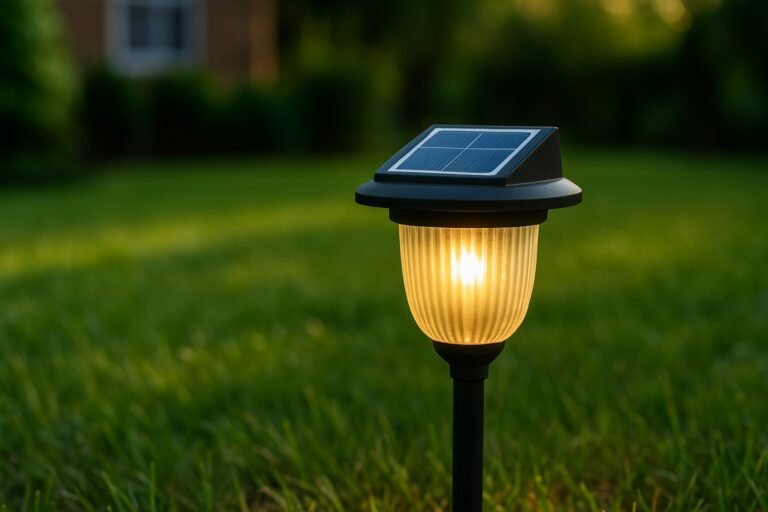
If you’ve ever installed solar lights around your home, garden, or pathway, you’ve probably wondered how long they actually stay on after sunset. It’s a fair question, because the whole point of solar lighting is reliability — you want lights that turn on automatically at night and last long enough to be useful. That’s why understanding how many hours solar lights work matters.
In reality, there isn’t a single fixed number. Some solar lights shine through the whole night, while others fade after a few hours. Their performance depends on several things: how much sunlight they receive during the day, the size and health of their battery, the efficiency of the solar panel, the type of light you’re using, and even how well they’re maintained. When you put all these pieces together, you get a clear and realistic picture of what to expect from your solar lighting every night.
What Determines How Long Solar Lights Stay On
Key Factors Behind Solar Light Runtime
The number of hours a solar light can stay on at night depends on how much energy it manages to store during the day and how efficiently it uses that energy after dark. Several factors play a direct role in this, and understanding them helps you predict performance more accurately.
Amount and quality of sunlight:
Solar lights rely on direct sunlight to charge properly. When panels receive strong, unobstructed sunlight, they store enough energy for longer nighttime illumination. On cloudy days or in shaded areas, charging slows down significantly, which means the lights may only stay on for a shorter time.
Battery capacity and type:
The battery acts as the light’s energy storage system. Larger-capacity batteries hold more power, allowing the light to run longer overnight. Modern solar lights often use NiMH or lithium-ion batteries, both of which are designed to deliver steady, long-duration performance when fully charged.
Solar panel efficiency:
Not all panels work at the same level. Higher-efficiency solar panels convert more sunlight into usable energy during the same daylight hours. When panels are well-built and clean, they generate more power, directly increasing how long the light can stay on.
LED brightness and power consumption:
Bright LEDs look great, but they draw more energy. If a solar light is designed with higher brightness settings, it will naturally drain the battery faster. Lights built with energy-efficient LEDs or adjustable brightness modes tend to last longer throughout the night.
Environmental conditions:
Weather plays a huge role. Cloudy or rainy days reduce charging, cold temperatures can slow battery performance, and long winter nights require more stored energy. Seasonal changes also affect daylight hours, which means the same solar light may run longer in summer and shorter in winter.
Age and maintenance of the light:
Over time, batteries lose capacity, and solar panels can become less efficient. Dust, debris, and grime on the panel surface block sunlight and reduce charging. Regular cleaning and timely battery replacement help maintain the original runtime.
Typical Runtime Ranges: What You Can Usually Expect
Most people want a simple, realistic answer to how long solar lights work at night. While the exact number varies from one light to another, there are clear patterns based on real-world performance. Here’s what you can generally expect from different types of solar lights under various conditions.
Under normal conditions, where the light gets strong sunlight during the day and has a healthy battery, most garden or pathway solar lights stay on for 6 to 12 hours. This range is common because these lights are designed to handle average outdoor use without requiring oversized panels or batteries.
For standard garden lights with typical battery sizes and mid-range solar panels, the usual runtime falls closer to 6–10 hours. This is considered the “everyday average” for most households and works well for evening ambiance or pathway visibility.
Higher-end solar lights, especially those built with more efficient panels and larger batteries, can sometimes keep glowing for up to 14 hours when charged under ideal conditions. These include professional-grade or premium models designed for strong, all-night illumination.
On the other hand, performance can drop noticeably when conditions aren’t ideal. Cloudy days, partial shade, short winter daylight hours, or smaller batteries can reduce how much energy the light stores. In such cases, it’s normal for some lights to last only 4–6 hours, especially if they’re older or haven’t been maintained well.
How Sunlight Exposure and Charging Time Affect Nightly Duration
Sunlight Is Key: Charging Requirements
Solar lights are only as reliable as the sunlight they receive. Their nighttime performance is directly tied to how much energy they manage to store during the day, and this depends almost entirely on their exposure to sunlight.
Most solar lights need around 6–8 hours of direct sunlight to reach a full charge. When they receive this level of consistent daylight, their battery can store enough energy to keep the LEDs running through the evening and well into the night. This is why the same light may perform beautifully in summer but struggle during the shorter, dimmer days of winter.
If sunlight is limited — whether because of cloud cover, shade from nearby trees or buildings, or fewer daylight hours — the battery simply cannot charge fully. As a result, the light will stay on for fewer hours at night. This is one of the most common reasons people notice their solar lights dimming earlier than expected, especially during rainy seasons or in locations with constant shade.
To maintain steady performance, placement is everything. Solar lights should be installed where they can absorb full, uninterrupted sunlight throughout the day. Even partial shading during peak hours can cut charging efficiency significantly. Keeping them away from tall plants, walls, or overhangs ensures they receive the sunlight they need for longer and more reliable nighttime illumination.
Differences Between Types of Solar Lights (Garden, Pathway, Street, Decorative)
Not all solar lights perform the same way, because each category is designed with different battery sizes, solar panel efficiency levels, and energy demands. Understanding these differences helps you set realistic expectations for how long each type will stay on at night.
Garden, pathway, and accent lights:
These are the most common outdoor solar lights, typically built with smaller batteries and compact solar panels. Under normal conditions, they offer around 6–10 hours of illumination. They’re great for ambiance, marking walkways, or adding soft lighting around plants, but they’re not designed for all-night brightness.
Hanging lights or lamp-post solar lights:
These lights vary a lot because their size and design differ from model to model. Some come with modest panels and batteries, while others are built with stronger components. Depending on how much sunlight they get and their overall power consumption, they usually run for 4–12 hours at night. Their versatility makes them popular for patios and outdoor seating areas.
High-end or professional-grade solar street lights:
These are built for performance. With large batteries and high-efficiency solar panels, they’re capable of running 10–14 hours consistently, even under heavier workloads. They’re ideal for driveways, security lighting, wide outdoor areas, or situations where strong and reliable nighttime illumination is needed.
Decorative or fairy lights:
These charming lights often have very small built-in panels and tiny batteries, which means their runtime is highly dependent on sunlight conditions. In perfect weather, they can last for several hours, but during winter or cloudy seasons their performance drops quickly. It’s normal for them to run shorter in colder months because both the battery and the panel become less efficient.
Common Issues That Shorten Solar Light Lifespan Or Runtime
Solar lights are generally dependable, but a few common issues can significantly affect how long they stay on or how long they last overall. Most of these problems are simple to understand and even easier to fix once you know what to look for.
Poor location or shade:
If a solar light is placed where sunlight is blocked by trees, walls, or buildings, it won’t receive enough energy to charge fully. Even partial shade during peak sunlight hours can shorten the night’s runtime.
Dirty or dusty solar panels:
A layer of dirt, pollen, or dust on the solar panel acts like a filter, preventing sunlight from reaching the cells. When the panel can’t absorb enough light, the battery doesn’t charge properly, leading to weak nighttime performance.
Weak or degraded battery:
As batteries age, they gradually lose their ability to hold a charge. This is one of the most common reasons solar lights begin to stay on for fewer hours. Eventually, even full sunlight won’t restore their original performance, and the battery needs replacement.
Harsh environmental conditions:
Extreme heat can strain the battery, while cold temperatures slow down battery activity. Both situations reduce how efficiently the light can charge and how long it can stay on at night. Weather patterns like heavy rain or long cloudy periods also contribute to shorter runtimes.
Over-bright LEDs:
Lights designed with very bright LEDs or powerful lighting modes consume more energy. While the brightness may look great, it drains the battery faster, reducing how long the light can stay illuminated.
Expectations mismatch:
Basic solar lights aren’t always built for dusk-to-dawn performance. If someone expects a small, decorative light to last through long winter nights, they may feel disappointed. Runtime varies based on sunlight exposure, battery size, and seasonal changes, so matching expectations with the type of light is important.
Pro Tips To Maximize How Long Solar Lights Work
Getting the longest possible runtime from your solar lights isn’t difficult, but it does require a few smart habits. These practical tips help maintain performance and ensure your lights stay on longer throughout the night.
Place solar lights in full-sun areas:
Location is the most important factor. Position your lights in open, south-facing spots or anywhere they can soak up sunlight without obstruction. Avoid trees, walls, or structures that cast shade during peak daylight hours.
Clean the solar panels regularly:
Dust, dirt, leaves, and debris create a barrier between the sun and the solar cells. A quick wipe with a damp cloth every couple of weeks helps maintain charging efficiency and significantly improves runtime.
Choose lights with larger batteries and efficient panels:
If you need all-night illumination, look for models with high-capacity batteries and efficient solar panels, especially monocrystalline panels. These store more energy and charge faster, even in less-than-perfect conditions.
Use energy-efficient LEDs or smart power settings:
Some solar lights come with auto-dimming modes, motion sensors, or energy-saving LEDs. These options reduce power consumption and keep the light running longer without compromising brightness when you need it.
Prepare for winter and cloudy seasons:
Short winter days and frequent rain mean less charging time. During these periods, make sure your lights receive maximum possible sun. If needed, adjust their placement or temporarily move them to brighter areas.
Replace aging batteries when needed:
Batteries naturally degrade over time. If you notice a sudden drop in runtime, replacing the battery often restores performance and extends the life of the light itself.
What To Know Before Buying: Matching Your Needs with Light Type
Choosing the right solar light depends on how long you expect it to stay on and what you want it to illuminate. Matching your needs with the right design ensures better performance and avoids disappointment later.
For soft garden or pathway glow:
Standard garden or pathway solar lights are usually enough. They typically offer 6–10 hours of runtime, which works well for creating ambiance or guiding steps at night.
For security or long-night illumination:
If you need lights that stay on throughout the night, look for models with large batteries and high-efficiency solar panels. These can deliver 10–14 hours of steady brightness, making them ideal for driveways, entrances, and outdoor security.
For decorative or fairy lights:
These lights are charming but come with smaller solar panels and limited battery capacity. Their runtime changes with the weather, especially in winter, so expect variability. They’re great for seasonal decor but not for long-night reliability.
Check product specifications carefully:
Always review battery capacity, panel type, and estimated runtime. Manufacturers usually provide ranges rather than exact numbers — and real-world performance can differ based on sunlight, weather, and placement. Treat runtime claims as helpful guidelines, not guaranteed figures.
Conclusion
Understanding how many hours solar lights work comes down to knowing what affects their performance. Sunlight exposure, battery size, solar panel efficiency, weather conditions, and overall maintenance all play a direct role in how long the lights stay on after sunset. In most normal situations, a well-placed solar light delivers around 6–12 hours of illumination, which is enough for evening use and general outdoor lighting.
With better components and the right setup, you can push that runtime even further. High-efficiency panels, larger batteries, clean surfaces, and smart placement can help quality solar lights reach 10–14 hours, often lasting through the entire night. When you choose the right light for your needs and take care of it properly, you get consistent, eco-friendly lighting that works night after night with minimal effort.
FAQ’s:
How Long Should Solar Lights Last On A Good Night?
On a full charge with strong, direct sunlight, most solar lights stay on for 6–12 hours. Higher-end models with larger batteries and efficient panels can sometimes reach up to 14 hours, especially in ideal weather conditions.
Why Do My Solar Lights Only Stay On For 2–3 Hours?
Short runtime usually points to charging problems. Common causes include shade, cloudy weather, a dirty solar panel, an old or weak battery, or a light placed in a location with limited sunlight. Cleaning the panel or moving the light to a sunnier area often helps.
Can Solar Lights Run All Night From Sunset To Sunrise?
Yes, some can. Lights built with high-capacity batteries, efficient solar panels, and good sunlight exposure may run through the entire night. However, performance can still vary depending on the season, length of the night, and weather conditions.
How Long Does Charging Take?
Most solar lights need 6–8 hours of direct sunlight to reach a full charge. If daylight is weak or interrupted, charging may take longer and nightly runtime may be shorter.
How Long Do Solar Lights Last Overall?
The overall lifespan of outdoor solar lights typically ranges from 2 to 6 years, depending on how well they’re built and maintained. Batteries usually need replacing sooner than the LED or panel components, but regular cleaning and proper placement help extend their life.
Disclaimer
The information in this article is based on general solar lighting performance and may vary by product, location, and weather conditions. Always check manufacturer guidelines and specifications for the most accurate details regarding your specific solar lights.
