
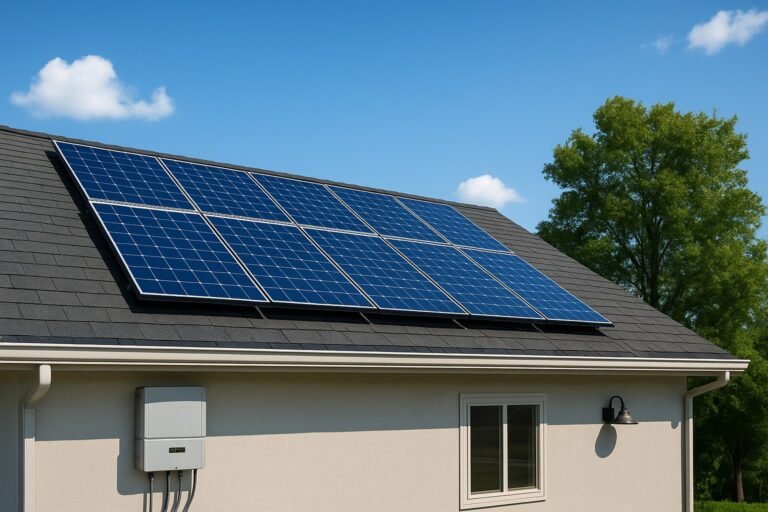
When you’re considering an 8 kW solar system, knowing the ins and outs will help you make the right investment. An 8 kW system is one of the most balanced setups for modern households—it’s large enough to power an average-to-high energy-consuming home yet still compact enough to fit most residential roofs. Homeowners are increasingly choosing this system size because it provides a strong mix of energy independence, cost efficiency, and long-term savings.
Here’s the thing: an 8 kW solar system can comfortably handle everyday electrical needs, from air conditioners and refrigerators to lighting and entertainment systems, depending on usage and sunlight conditions. Compared to smaller setups like 3 kW or 5 kW systems, it produces significantly more energy, often enough to eliminate most of a household’s electricity bills. Throughout this guide, you’ll learn about the system’s cost, daily output, number of panels required, battery options, available kits, installation factors, maintenance tips, and return on investment. By the end, you’ll have a clear understanding of whether an 8 kW solar system is the right fit for your home and lifestyle.
What Is An 8 kW Solar System?
An 8 kW solar system refers to a photovoltaic setup capable of producing up to 8 kilowatts (or 8,000 watts) of electricity under ideal sunlight conditions. In simple terms, this means that when the panels receive full sunlight, the system can generate 8,000 watts of power at its peak performance. However, real-life energy generation depends on several factors—like sunlight hours, shading, temperature, and the efficiency of your inverter and panels.
Here’s how it works: system size in kilowatts (kW) represents the total combined capacity of all solar panels in your setup. For example, if you install 20 panels rated at 400 watts each, you’ll get an 8,000-watt or 8 kW system. This system size is typically designed to cover the energy usage of medium to large homes, small offices, or households that run multiple air conditioners, washing machines, and other high-load appliances.
From an expert’s point of view, the “right” system size depends on your energy consumption pattern rather than just going for the largest option available. Bigger isn’t always better—oversizing your system can lead to higher upfront costs without maximizing returns, especially if your electricity use is moderate. Installers usually analyze your past 12 months of electricity bills, roof space, and sunlight exposure before recommending a system size.
In comparison, a 3 kW or 5 kW solar system might be suitable for smaller homes using less power, while an 8 kW solar panel system can easily handle higher daily consumption, making it ideal for families aiming for near-total energy independence.
How Many Solar Panels Does An 8 kW Solar System Require?
To build an 8 kW solar system, you’ll need enough solar panels to collectively produce about 8,000 watts of power. The exact number of panels depends on the wattage rating of each panel, which typically ranges between 350 W and 580 W in today’s residential market.
Here’s a quick calculation:
- Using 350 W panels, you’ll need around 23 panels (8,000 ÷ 350 = 22.8).
- With 400 W panels, you’ll need about 20 panels.
- For 580 W high-efficiency panels, only 14 panels may be required.
The more efficient your panels are, the fewer you’ll need, which can save valuable roof space and make your installation look cleaner. However, higher-wattage panels often come with a slightly higher upfront cost, so it’s best to balance efficiency with your budget and available space.
In terms of roof space, an 8 kW solar system typically requires between 350 and 500 square feet of area, depending on panel size and layout. The roof should ideally face south (in the northern hemisphere) or north (in the southern hemisphere) for maximum sunlight exposure. If your roof has shading from trees, chimneys, or nearby buildings, it’s crucial to plan the layout carefully or use microinverters to minimize production loss.
When deciding on panels, consider future expansion too. Choosing higher-wattage modules now gives you room to add batteries or extra panels later without major redesign. So if you’re wondering, “8 kW solar system—how many panels do I really need?” the answer depends on your panel choice, available roof space, and how efficiently you want to generate your power.
Expected Daily Output And Energy Generation
An 8 kW solar system typically generates between 28 to 40 kilowatt-hours (kWh) of electricity per day, depending on location, sunlight conditions, and overall system efficiency. In regions with high solar exposure, like southern U.S. states or parts of Pakistan, the daily output can even reach 45 kWh on clear days. In contrast, cloudier climates such as parts of the UK might see closer to 28–32 kWh per day.
If we look at it monthly, that’s roughly 850 to 1,200 kWh of electricity, and on a yearly basis, you can expect around 10,000 to 14,000 kWh in total generation. Of course, these figures aren’t fixed—several factors come into play, including the number of sunlight hours your location receives, the tilt angle and orientation of your solar panels, and any shading from nearby trees or buildings. Even the cleanliness of your panels affects efficiency—dust or debris can reduce output by up to 10 percent if left uncleaned.
Here’s the thing: to get the best performance, you need to monitor your system’s production closely. Most modern inverters and monitoring apps allow you to track daily and monthly energy output in real time. This helps identify when generation dips—maybe due to shading, inverter faults, or seasonal changes. By checking your data regularly, you can adjust your energy usage to better match solar production, such as running washing machines or air conditioners during peak daylight hours.
So, when people search for “8 kW solar system daily output,” the real answer lies in understanding that production depends not just on the system size, but also on how well it’s installed, maintained, and aligned with your local sunlight conditions.
Cost Breakdown And What You Should Budget For
The cost of an 8 kW solar system can vary widely depending on your country, equipment quality, and whether you include batteries or not. In the United States, a professionally installed 8 kW setup generally costs around $16,800 after applying the federal tax credit, which covers panels, inverter, mounting gear, and labor. In Pakistan, the cost typically ranges between Rs. 835,000 and Rs. 925,000 for an on-grid system, while adding batteries can raise the total to between Rs. 1,050,000 and Rs. 1,180,000, depending on battery type and brand.
Here’s a general breakdown of what you’re paying for:
- Solar panels (50–60% of total cost): The largest portion, varying by brand and efficiency.
- Inverter (10–15%): Converts DC to AC power; hybrid models cost more.
- Mounting and wiring (10%): Includes brackets, cables, and safety protections.
- Installation and labor (10%): Professional setup and testing.
- Batteries (optional): A major add-on that increases cost but offers backup power and higher self-consumption.
It’s also smart to budget for hidden or one-time costs like roof reinforcement, permits, inspection fees, and net-metering setup charges. Regular maintenance, though minimal, should also be factored in for long-term reliability.
When comparing quotes, don’t just focus on price—look closely at brand quality, warranties, and installer reputation. A slightly higher upfront investment in premium components often pays off in durability and better performance. Always ask for at least two or three detailed quotes to compare equipment brands, warranty terms, and service packages before making a decision.
On-Grid Vs Off-Grid Vs Hybrid Configurations
Before investing, it’s crucial to understand the three main configurations of an 8 kW solar system—each offering unique advantages and considerations.
- On-Grid (Grid-Tie) System: This setup connects directly to the national grid. It supplies solar power to your home first, and any excess electricity is sent back to the grid for credit through net-metering. It’s cost-effective and requires no batteries, but it stops working during a power outage since it relies on grid stability.
- Off-Grid System: This is a standalone system that stores all generated power in batteries, offering complete independence from the grid. It’s ideal for remote areas without grid access, but the high battery cost and maintenance requirements make it the most expensive option.
- Hybrid System: A hybrid combines the best of both worlds—it connects to the grid while also using batteries for storage. This setup ensures your home stays powered during outages and maximizes energy savings by storing excess solar power for later use. It’s slightly more costly than on-grid systems but offers superior reliability and flexibility.
Battery Backup: What To Know
Adding a battery backup to your 8 kW solar system can significantly increase your energy independence and reliability. Batteries store the excess electricity your panels produce during the day, allowing you to use it at night or during power outages. This setup ensures a steady power supply, reduces reliance on the grid, and helps you save more through self-consumption optimization—that is, using your own stored energy instead of drawing from the grid when rates are high. In regions where utilities charge based on time-of-use, batteries can help you avoid costly peak-hour electricity rates.
In terms of pricing, adding batteries naturally increases the total investment. In Pakistan, for instance, a hybrid 8 kW solar system with battery typically costs around Rs. 1,037,000 to Rs. 1,180,000, depending on the type and brand of the batteries used.
When choosing a battery, it’s important to understand the two most common types: lithium-ion and lead-acid.
- Lithium-ion batteries are more efficient, longer-lasting (up to 10–15 years), and require little to no maintenance, making them ideal for modern solar homes.
- Lead-acid batteries are more affordable upfront but have shorter lifespans (3–5 years) and need regular maintenance to maintain performance.
To size your battery bank properly, calculate how many hours of backup power you’ll need during outages. For example, an 8 kW system paired with a 10 kWh to 15 kWh battery can typically power essentials like lights, fans, and refrigerators for several hours, depending on load demand. If you live in an area with frequent blackouts, prioritizing a battery is worth the investment. However, if your grid is stable and net-metering is available, you might choose to skip batteries for now and add them later as your energy needs grow.
Typical 8 kW Solar System Kits & What They Include
A complete 8 kW solar system kit usually comes as a ready-to-install package containing all the essential components you need for a fully functional setup. These kits make installation easier and often come pre-matched to ensure optimal compatibility between parts.
A standard 8 kW solar system kit generally includes:
- Solar Panels: Usually Tier-1 brands like Longi, Jinko, or Canadian Solar.
- Inverter: Converts DC power to AC and may include Wi-Fi monitoring for real-time performance tracking.
- Mounting Hardware: Roof or ground mounting structures designed for durability and wind resistance.
- Wiring and Cables: High-quality copper wiring for efficient power transfer.
- Protection Devices: Includes breakers, fuses, and surge protection units for safety.
- Monitoring Equipment: Lets you track daily energy production and consumption.
When comparing 8 kW solar system kits for sale, focus on key details such as brand reliability, warranty terms (at least 10 years for panels and 5 years for inverters), and upgradability—especially if you plan to add batteries or expand your system later. Look for certifications like IEC and TÜV, which indicate tested quality and compliance with international standards.
A quick buyer’s checklist before purchase:
- Is the inverter compatible with future battery upgrades?
- Are all components covered under warranty by the same supplier?
- Does the kit include installation support or after-sales service?
- Are the panels Tier-1 quality with verified efficiency ratings?
By asking these questions, you’ll ensure that your chosen kit delivers both performance and long-term value, making your investment in an 8 kW solar system both smart and future-ready.
Sizing For Home: Is 8 kW Right For You?
Choosing the right solar system size starts with understanding your home’s energy consumption. An 8 kW solar system is generally ideal for medium to large households—typically those with 4 to 6 residents and moderate to heavy appliance use. It can power essentials like lighting, refrigerators, washing machines, and air conditioners, along with additional loads such as electric water heaters, pool pumps, or even an electric vehicle (EV) charger.
As a general guide, if your household consumes around 750 to 900 kWh per month, an 8 kW system is a suitable fit. Homes that run multiple air conditioning units, have large kitchens with electric stoves, or operate high-demand equipment will benefit the most. In comparison, a 5 kW solar system might serve a smaller home or apartment, while those with heavier usage might explore an 8.5 kW solar system or higher for added capacity.
To get an accurate estimate, review your electricity bills from the past 12 months to calculate your average monthly usage. It’s also smart to think ahead—if you plan to install EV chargers, switch to electric heating, or expand your home, leave a little buffer for future growth.
Managing your loads efficiently is just as important as system size. Try running high-consumption appliances during daylight hours when solar production is at its peak. If you have battery storage, you can program your system to use stored energy at night. This load management strategy not only maximizes savings but also extends the lifespan of your battery system if one is included.
Roof & Site Considerations For Installing An 8 kW System
Before installing an 8 kW solar system for your home, it’s essential to evaluate your roof and site conditions. Roof size, orientation, and tilt all play a major role in how effectively your system captures sunlight. Typically, you’ll need around 350 to 500 square feet of usable roof space to accommodate an 8 kW array, depending on panel efficiency and layout.
For best results, your roof should face south in the northern hemisphere (or north in the southern hemisphere) with a tilt angle of around 25 to 35 degrees, which helps maximize sun exposure throughout the year. The roof should also be structurally sound—older roofs may require inspection or reinforcement before installation.
Shading from trees, chimneys, or neighboring buildings can significantly reduce energy production. In such cases, your installer may recommend tilt frames or even ground-mounted solar panels to improve exposure. It’s also important to ensure your setup complies with local building codes and permit requirements, which can vary by region.
A professional site survey is the best way to assess all these factors. During the inspection, experts evaluate your roof’s condition, available space, orientation, and shading patterns in both summer and winter. It’s also wise to consider cleaning and maintenance access—dust, leaves, or debris buildup can lower output if left unattended. By taking these details into account, you can ensure your 8 kW solar system performs efficiently, safely, and consistently for decades.
Return On Investment (ROI), Payback Period & Financial Benefits
When it comes to the return on investment (ROI), an 8 kW solar system offers some of the best payback ratios among residential setups. In Pakistan, for instance, homeowners typically save between Rs. 40,000 and Rs. 45,000 per month, depending on electricity usage and tariff rates. With those savings, the payback period for an 8 kW on-grid system often falls between 2 to 3 years, which is quite remarkable for a long-term investment that continues to generate free power for over two decades.
However, ROI isn’t the same for everyone—it depends on several key factors. Electricity tariffs, net-metering policies, local sunlight hours, and the quality of your components all affect how quickly you recover your costs. High electricity rates and strong solar exposure significantly improve your returns, while low-quality equipment or poor installation can slow them down.
Beyond financial savings, solar adds value beyond the bill. Installing an 8 kW system can increase your home’s market value, as buyers see solar-equipped homes as more energy-efficient and future-ready. It also protects you from rising electricity prices by giving you control over your energy source. On top of that, every kilowatt-hour of clean power you generate helps cut carbon emissions—an environmental benefit that builds long-term sustainability for your household.
To calculate your expected payback, you can use solar calculators or ask your installer to provide a detailed cost-benefit analysis. Whether you buy the system outright or finance it through a loan, the long-term savings generally outweigh the initial cost. A well-planned system will continue to deliver free energy for years after you’ve recovered your investment, making solar one of the most stable and rewarding upgrades you can make for your home.
Maintenance, Monitoring & Longevity
An 8 kW solar system is relatively low-maintenance, but keeping it in top shape ensures you get maximum performance and lifespan. The most basic upkeep involves cleaning your panels every few months to remove dust, pollen, or debris that can block sunlight and reduce output. A soft brush or hose rinse is usually enough—just make sure to clean during cool hours to avoid thermal stress on the panels.
The inverter, which converts DC power to AC, is another key component that requires occasional servicing. On average, inverters last 8 to 12 years, while high-quality solar panels can perform efficiently for 25 years or more. Keeping an eye on inverter alerts or status lights helps identify issues early before they affect your energy production.
Modern systems often come with monitoring apps or online dashboards that let you track daily and monthly energy generation in real time. If production suddenly drops, it might be due to shading, soiling, or an inverter fault—all of which can be quickly diagnosed with monitoring tools.
From a long-term perspective, it’s wise to set aside a small annual budget for maintenance and inverter replacement after a decade or so. Doing so ensures your system remains reliable and efficient throughout its lifespan. With consistent care and professional checkups, your 8 kW solar system can serve your home dependably for 25 years or longer while delivering steady savings and clean energy.
Common Mistakes & How To Avoid Them
While investing in an 8 kW solar system can be one of the smartest energy decisions you’ll make, several common mistakes can prevent homeowners from getting the most out of their setup. One of the biggest issues is oversizing—installing a system larger than your actual energy needs or roof capacity. Bigger isn’t always better; an oversized system increases upfront costs and extends the payback period without necessarily improving returns.
Another frequent mistake is choosing low-quality components to cut costs. Cheap panels or inverters often lead to lower efficiency, frequent breakdowns, and shorter lifespans. Similarly, some homeowners forget to plan for future expansion, such as adding an EV charger or battery bank, which can make future upgrades more complicated and expensive.
From an expert’s point of view, every homeowner should vet installers carefully before signing a contract. Ask for certifications, read reviews, and demand a detailed quote breakdown that lists equipment brands, warranties, and installation services clearly. Always check your local net-metering regulations and make sure your installer provides a written performance guarantee—this ensures you’re covered if the system underperforms.
A few lesser-known mistakes include ignoring site-specific factors like wind load ratings, panel aging, and string mismatching (connecting panels with different voltages or shading conditions). Poor wiring or unbalanced connections can also reduce system efficiency and pose safety risks.
Here’s a quick “check before you sign” list for homeowners:
- Confirm that the system size matches your actual energy use.
- Choose Tier-1 solar panels and reputable inverter brands.
- Verify warranties for all components.
- Ask about net-metering and grid approval requirements.
- Ensure proper structural and electrical design is included.
- Get post-installation support and monitoring access.
Following these steps helps you avoid costly mistakes and ensures your solar investment delivers maximum efficiency, safety, and value for decades.
Future-Proofing Your Home With An 8 kW Solar System
An 8 kW solar system doesn’t just meet your current energy needs—it also sets the foundation for a future-ready home. As more households move toward electrification, such as adopting EV charging, battery storage, or heat pump systems, an 8 kW setup gives you the flexibility to expand without overhauling your entire system.
If you plan to add an EV in the coming years, your solar array can help offset the additional charging load, keeping your electricity bills low. Likewise, if you’re considering energy storage later, choosing an inverter that’s battery-compatible today will save you upgrade costs tomorrow.
When planning for scalability, look for inverters with extra headroom, which allow additional panels to be connected in the future. Leave cable conduits and space for battery wiring, even if you don’t install one right away. Opt for high-efficiency solar panels, as they generate more power per square foot and make future expansions easier.
If your home’s consumption is likely to grow significantly—say, through EV use or large electric appliances—you might even explore upsizing to a 12,000-watt (12 kW) solar system or an 8.5 kW system for a small buffer. The key is to match your solar investment to your long-term lifestyle goals rather than just your present consumption.
Conclusion
An 8 kW solar system is a powerful and reliable choice for homeowners with higher energy needs who want to cut electricity costs and gain energy independence. It provides ample capacity to run multiple appliances, charge electric vehicles, and even support partial battery storage for backup power. However, the key to maximizing its benefits lies in proper planning—matching the system size to your actual consumption, ensuring your roof or site is suitable, and selecting high-quality components. The right installation and configuration can make all the difference in how efficiently your system performs over the long term.
By following the expert advice and checklist shared throughout this guide, you’ll be better prepared to choose a trusted installer, understand the true costs, and plan for future upgrades. The financial rewards, increased home value, and environmental impact make this investment worthwhile for years to come. In short, by choosing the right 8 kW solar system, you’re investing in cleaner energy, lower bills, and a more resilient home that’s ready for the future.
FAQ’s:
How Many Panels Are Required For An 8 Kw Solar System?
An 8 kW solar system typically requires between 14 to 23 solar panels, depending on the wattage of each panel. For instance, if you use 400 W panels, you’ll need around 20 panels, while higher-efficiency 580 W panels can reduce that number to about 14. The final count depends on your roof space, layout, and the type of panels you choose.
What Is The Approximate Cost Of An 8 Kw Solar System In Pakistan In 2025?
As of 2025, the cost of an 8 kW solar system in Pakistan generally ranges from Rs. 835,000 to Rs. 925,000 for an on-grid system. If you include batteries for backup power, the total cost can rise to Rs. 1,037,000–1,180,000, depending on the brand, battery capacity, and installation quality.
Can An 8 Kw System Run My Air Conditioners And Heavy Loads?
Yes, an 8 kW system can comfortably handle multiple air conditioners and other high-power appliances such as washing machines, refrigerators, and water pumps. However, the exact number of loads it can run simultaneously depends on your total power demand, inverter capacity, and whether you have a hybrid or on-grid setup.
What Is The Difference Between On-grid And Hybrid 8 Kw Solar Systems?
An on-grid system connects directly to the utility grid and allows you to export excess power for net-metering credits. It’s cost-effective but won’t work during a power outage. In contrast, a hybrid system combines solar panels with battery storage, enabling you to use stored energy during blackouts while still benefiting from grid connectivity for extra reliability and savings.
How Long Does It Take To Pay Back An 8 Kw Solar Installation?
The payback period for an 8 kW solar installation usually falls between 2 to 3 years in Pakistan, depending on your energy usage and local electricity rates. With average monthly savings of Rs. 40,000–45,000, homeowners can recover their investment quickly and continue to enjoy free, renewable electricity for over two decades.
Disclaimer
The information in this article about 8 kW solar systems is for general educational purposes only. Prices, savings, and performance may vary based on location, equipment quality, and installation conditions. Always consult a certified solar professional before making purchasing or installation decisions.
