
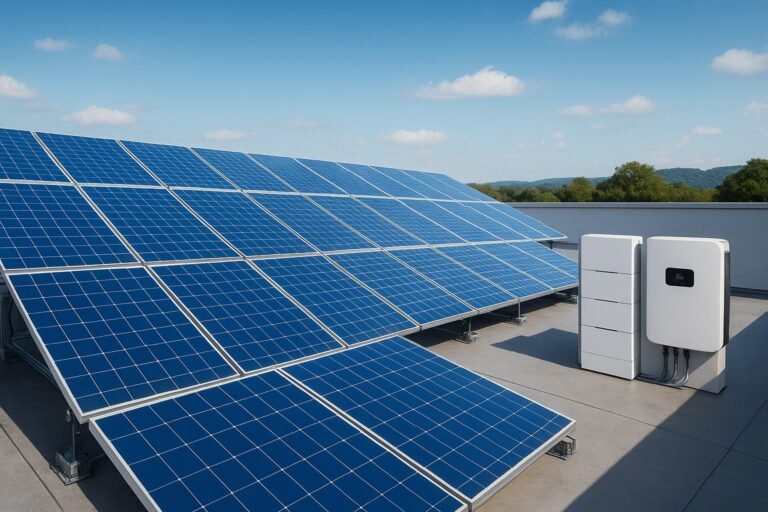
A 12 kW solar system offers a reliable and efficient way to power medium to large homes or small businesses that use a significant amount of electricity. It’s designed to generate enough energy to cover high daily consumption needs, making it ideal for families running multiple air conditioners, appliances, or even small workshops. In this guide, we’ll walk through everything you need to know about a 12 kW solar setup — from its cost and number of panels to daily energy production, battery storage options, and comparisons with larger systems like 15 kW or 18 kW. You’ll also find insights into regional pricing, including what such a system typically costs in countries like Pakistan. By the end, you’ll have a clear understanding of whether a 12 kW solar system is the right energy solution for your home or business.
Understanding What “12 kW Solar System” Means
A 12 kW solar system refers to the total power capacity that the solar panels can produce under ideal sunlight conditions. The “12 kW” figure represents 12 kilowatts of direct current (DC) output, which means that when the system operates at full efficiency, it can generate 12,000 watts of electricity at a given moment. It’s important to understand that the system size (kW) is not the same as energy output (kWh). The size (kW) measures the system’s potential capacity, while energy output (kWh) represents the actual electricity produced over time — for example, how much power the system generates in a day, week, or year, depending on sunlight exposure and efficiency.
A 12 kW solar setup is best suited for large households or small commercial buildings that consume a higher amount of power each day. Typically, homes that use 40 to 60 kWh of electricity daily — such as those running multiple air conditioners, pool pumps, or large appliances — can benefit from this system size. It’s also a good choice for small businesses, offices, or workshops seeking to reduce energy costs and rely more on renewable power. In short, a 12 kW system offers an excellent balance between production capacity and cost efficiency for users with medium to high energy needs.
How Many Panels Does A 12 kW Solar System Require?
To calculate the number of panels needed for a 12 kW solar system, you simply divide the total system size (12,000 watts) by the wattage rating of each individual panel. For example, if you use 550 W panels, you would need around 22 panels (12,000 ÷ 550 = 21.8). This configuration is quite common because 550 W panels are efficient, durable, and require less roof space compared to smaller panels.
However, the total panel count can vary depending on the type and efficiency of the panels used. If you’re using 400 W panels, you’d need roughly 30 panels, while 600 W panels would bring the number down to about 20 panels. The exact number also depends on real-world conditions such as the angle and direction of your roof, available space, and potential shading from nearby trees or structures. A flat or slightly tilted roof that faces true south (in the northern hemisphere) will typically yield better efficiency and might even reduce the total number of panels required.
In most cases, a 12 kW system will need 350 to 450 square feet of roof space, depending on the panel wattage and layout. Before installation, professionals often conduct a site survey to optimize the panel arrangement and ensure maximum exposure to sunlight, minimizing any losses caused by shading or improper tilt.
How Much Energy Will A 12 kW Solar System Produce Per Day / Year?
A 12 kW solar system can generate an impressive amount of electricity, but the exact output depends heavily on your location, sunlight hours, and installation setup. On average, such a system can produce around 17,000 to 18,000 kWh of electricity per year, which equals roughly 45 to 50 kWh per day under standard U.S. sunlight conditions. This output is sufficient to power a large home with multiple air conditioners, heavy appliances, and electric vehicles, or even a small business with moderate energy use.
The production rate can vary significantly from one region to another. For instance, high-sun states such as Arizona, California, and Texas often see daily production closer to 60 to 70 kWh, while low-sun regions in the northern U.S. or cloudy coastal areas may generate around 35 to 45 kWh per day. Factors like roof orientation, tilt angle, and shading from nearby trees or buildings also influence how much electricity your panels can produce.
In off-grid or hybrid systems, where energy storage and inverter efficiency come into play, output may range between 30 to 66 kWh per day, depending on how much sunlight is available and how much energy is stored in batteries. Real-world users often report daily averages of 50 to 73 kWh, especially during sunny months with clean, unobstructed panels. In short, a 12 kW solar system is powerful enough to cover most of a high-consumption home’s energy needs throughout the year, offering consistent performance and long-term savings.
Cost Of A 12 kW Solar System (And What Drives the Cost)
The cost of a 12 kW solar system varies depending on the country, equipment quality, and installation complexity. In the United States, the average price is around $29,000 before incentives, with most homeowners paying between $25,000 and $35,000 for a complete installation. After applying available tax credits and rebates, the net cost can drop significantly, making solar more affordable for households and small businesses looking to cut long-term energy costs.
The total price includes several components — solar panels (which make up about 40–50% of the total cost), inverters, mounting structures, wiring, labor, and permit or inspection fees. Premium panels or hybrid inverters tend to increase the upfront investment but often provide higher efficiency, better warranties, and improved performance over time. Other factors that affect pricing include the type of inverter used (string, micro, or hybrid), roof conditions, system design, and regional incentives.
In Pakistan, a 12 kW hybrid solar system is typically priced between PKR 1,150,000 and PKR 1,600,000, depending on the brand and configuration. A standard package with around 22 panels rated at 575–585 W each can cost roughly PKR 1.3 million, not including battery storage. Hybrid setups that combine solar and grid power are gaining popularity in Pakistan due to frequent power outages and the growing availability of net-metering options. Overall, while the upfront cost may seem high, a 12 kW solar system offers long-term value through reduced electricity bills, energy independence, and potential incentives in many regions.
12 kW Solar System With Battery Storage: Hybrid Or Off-Grid Options
A 12 kW solar system with battery storage provides a flexible way to generate, store, and use electricity efficiently. In a standard grid-tied setup, the system sends excess power back to the utility grid, but in a battery-backed or hybrid system, that energy can be stored for later use. This design offers two main options: a hybrid system, which combines both grid power and battery backup, and a fully off-grid system, which operates completely independently from the grid.
A typical 12 kW hybrid system may include around 20 kWh of battery storage, enough to power essential home appliances overnight or during short outages. For instance, such a setup could comfortably run lights, fans, refrigerators, and even air conditioners for several hours, depending on the load. When choosing a battery system, key factors to consider include battery capacity, backup duration, cycle life, and overall cost. Lithium-ion batteries are generally preferred for their efficiency, long lifespan, and faster charging times compared to lead-acid batteries.
You might choose a battery-backed 12 kW system if your area experiences frequent power outages, you live in a remote location, or you want greater energy independence. For complete autonomy, the system should be designed with enough storage to handle two to three days of typical energy consumption without sunlight. Expert installers often advise matching battery capacity (in kWh) to your actual overnight usage rather than focusing solely on the system’s total power rating. This ensures balanced performance, optimal backup duration, and long-term reliability for your solar investment.
12 Kw Vs 15 Kw Vs 18 Kw Solar Systems – Which Is Right?
Choosing between a 12 kW, 15 kW, or 18 kW solar system depends on your current energy usage, available roof space, and long-term goals. A 12 kW system is ideal for large homes or small businesses that consume around 45–55 kWh of electricity per day. It can power several air conditioners, appliances, and even an electric vehicle charger, making it a balanced option for high-consumption households.
If your power needs are higher or expected to grow soon — for example, adding more air conditioners or electric vehicles — a 15 kW solar system might be more suitable. A 15 kW setup typically requires around 27 to 30 panels (depending on panel wattage) and can produce roughly 60 to 75 kWh per day, offering greater energy independence. It costs proportionally more than a 12 kW system but delivers increased long-term savings by offsetting a larger portion of your electricity bill.
For very high-usage properties or commercial sites, an 18 kW system could be the better choice. It requires more space and investment but can power large households, multiple offices, or small industrial setups efficiently. When deciding between these sizes, consider factors such as your current and projected energy usage, budget, roof area, and future expansion plans. A professional energy assessment can help you find the sweet spot between cost, performance, and sustainability.
Best 12 kW Solar System Configurations & Brands
When selecting the best 12 kW solar system, focus on quality components, proven performance, and reliable after-sales support. Look for Tier-1 solar panels, which are manufactured by trusted companies with strong quality control and long-term warranties. High-efficiency panels reduce the number of panels needed, saving roof space while maximizing output.
The inverter is another crucial component — choose between string inverters (cost-effective), microinverters (individual panel optimization), or hybrid inverters (integrated battery support). A high-quality inverter can greatly improve energy conversion efficiency and system reliability.
While specific brand names vary by region, leading systems typically include components known for durability, efficiency above 20%, and 20–25-year warranties. The “best” 12 kW solar system combines strong panel performance, reliable inverter technology, and a good service network that ensures ongoing support and monitoring.
Expert tip: Always verify that your installer is certified, offers comprehensive monitoring tools, and has a proven installation record. A well-installed system with quality parts will perform consistently for decades and deliver the highest return on your solar investment.
Installation, Roof & Structural Considerations For 12 kW Systems
Before installing a 12 kW solar system, it’s essential to evaluate your roof’s structure, space, and orientation to ensure maximum efficiency and long-term durability. A system of this size typically requires 350 to 450 square feet of roof space, depending on the wattage and efficiency of the solar panels. Ideally, the roof should face south (in the northern hemisphere) or north (in the southern hemisphere) with minimal shading throughout the day to optimize sunlight exposure.
Structural safety is equally important. The roof must support the weight of the panels, mounting equipment, and wind or snow loads (if applicable in your area). Local building codes and inspection requirements often determine how systems are mounted and secured, ensuring they withstand environmental stress. Additionally, you’ll need permits for installation and grid connection, especially if your setup includes net metering, allowing you to send excess energy back to the grid.
Once installed, proper maintenance and monitoring are vital for performance. Periodically cleaning the panels, checking for shading from growing trees or new structures, and ensuring the inverter operates correctly can preserve system output. Practical advice: Always get multiple quotes, compare equipment warranties, and review the installer’s track record before committing. These steps protect your investment and help ensure consistent, efficient performance over the system’s lifespan.
Return On Investment (ROI), Payback Period & Savings From A 12 kW Solar System
One of the main attractions of installing a 12 kW solar system is the potential for strong long-term returns. To estimate your savings, multiply your system’s annual energy production by your local electricity rate. For example, a 12 kW system generating 16,000 to 17,000 kWh per year at an average electricity cost of $0.13 per kWh translates to about $2,000 to $2,200 in annual savings. With an estimated net system cost of around $22,000 after incentives, the payback period comes to approximately 10 to 11 years, depending on energy usage and local conditions.
In Pakistan, where electricity tariffs are generally higher and sunlight is abundant, the payback period can be even shorter. Many homeowners recover their investment within 5 to 7 years, especially with net metering that allows them to offset bills or sell surplus power back to the grid. Over time, savings continue to grow as utility rates rise, making solar a reliable hedge against energy inflation.
Expert insight: Beyond financial returns, consider other benefits such as increased property value, reduced carbon footprint, and greater energy security. However, keep in mind that ROI depends on several factors — system lifespan, regular maintenance, inverter replacement costs, and future energy prices. When installed and maintained properly, a 12 kW solar system can provide stable returns and sustainable savings for 25 years or more.
Incentives, Rebates & Financing For A 12 Kw Solar System
Installing a 12 kW solar system can be made more affordable through various incentives and financing programs available in different regions. In the United States, homeowners can take advantage of the Federal Investment Tax Credit (ITC), which currently allows a 26–30% deduction on the total cost of the solar system. This incentive significantly lowers upfront expenses and is one of the key reasons for the widespread adoption of residential solar power. Many state and local governments also offer additional rebates, tax exemptions, or net-metering programs that allow homeowners to earn credits for the surplus electricity they send back to the grid.
In Pakistan, solar incentives are growing under national efforts to promote renewable energy. The net-metering policy allows households with systems like a 12 kW setup to export excess energy back to the grid, offsetting their electricity bills. Some regions also offer feed-in tariffs that pay users for the electricity they supply to the utility network, encouraging greater solar adoption.
For those who prefer not to pay the full cost upfront, there are several financing options such as solar loans, leases, or power purchase agreements (PPAs). Each option has different terms — loans help you own the system outright, while leases and PPAs allow you to use the energy produced without direct ownership. Expert caution: Always review contract terms carefully, verify warranty coverage, and understand how utility rate escalations may affect future savings. Choosing the right financial approach ensures you maximize both affordability and long-term value.
Common Mistakes To Avoid When Planning A 12 Kw Solar System
While a 12 kW solar system can deliver excellent performance and savings, poor planning or uninformed decisions can lead to costly mistakes. One of the most common errors is oversizing or undersizing the system relative to your actual power needs. Installing a system too small won’t cover your energy demands, while one that’s too large may not provide a good return on investment. Another common issue is choosing low-quality components just to save on initial costs — cheap panels and inverters often degrade faster and may require costly replacements.
Homeowners also tend to ignore roof conditions or shading, which can reduce system performance by 10–25%. Skipping regular maintenance and monitoring is another mistake that can quietly reduce energy output over time. Always verify your installer’s credentials, local permits, warranties, and grid-connection approvals before signing any contract. Finally, think ahead about future upgrades — if you plan to add battery backup later, ensure your system is hybrid-ready. By avoiding these pitfalls, you’ll ensure your 12 kW solar investment runs efficiently, delivers consistent energy, and remains trouble-free for decades.
Future Trends & What To Expect For 12 Kw Systems (2025 And Beyond)
The future of 12 kW solar systems looks promising as technology continues to evolve and solar adoption accelerates worldwide. According to recent energy market analyses, the average cost per watt of solar panels, inverters, and mounting equipment is gradually decreasing, thanks to innovations in manufacturing and economies of scale. As a result, systems that once cost significantly more a few years ago are now far more affordable, making large residential and small commercial installations like 12 kW setups accessible to a wider audience.
Another strong trend is the increasing use of battery storage, as more homeowners choose hybrid configurations that store solar energy for nighttime use or power outages. The combination of a 12 kW solar system with battery backup is quickly becoming a preferred standard, offering energy independence and stability during grid fluctuations. This shift is supported by advancements in lithium-ion technology, which now provides longer life cycles, faster charging, and greater efficiency.
Smart home integration is also shaping the solar industry. IoT-based monitoring systems allow users to track power generation, battery performance, and consumption patterns in real time through mobile apps. This intelligent control enhances energy efficiency and helps users make data-driven adjustments to reduce waste.
In emerging solar markets like Pakistan, growth is particularly strong. The expansion of rooftop solar programs, local panel assembly, and net-metering policies is driving adoption in both urban and rural areas. As governments and consumers continue to embrace clean energy, 12 kW systems are expected to play a vital role in bridging the gap between residential and small commercial power generation — paving the way toward a more self-sufficient, sustainable energy future.
Conclusion
A 12 kW solar system represents a balanced and efficient solution for homeowners or small businesses seeking to reduce electricity costs and embrace renewable energy. It typically consists of 20 to 30 solar panels, depending on panel wattage, and can produce between 16,000 and 18,000 kWh per year — enough to power high-usage homes or small commercial operations. With flexible options like hybrid or off-grid configurations, users can pair their systems with battery storage for greater energy independence and reliability. The overall cost varies by region, with U.S. systems averaging around $25,000–$35,000 before incentives, while prices in Pakistan range between PKR 1.15 million and PKR 1.6 million.
When evaluating a 12 kW solar setup, it’s important to consider not just the price, but the long-term return on investment, energy savings, and environmental benefits. Take time to assess your energy consumption, roof suitability, and future power needs before installation. Always get multiple quotes, verify installer credentials, and compare warranties for panels and inverters. In the end, if you decide to install a 12 kW solar system today, you’re not just buying hardware — you’re investing in cleaner energy, lower bills, and a sustainable future for decades to come.
FAQ’s:
What Size House Is Suitable For A 12 Kw Solar System?
A 12 kW solar system is ideal for large homes that consume 40–60 kWh of electricity per day, typically those with multiple air conditioners, electric heaters, or large appliances. It can also power small commercial spaces or offices with moderate daily energy requirements.
How Many Solar Panels Do I Need For 12 Kw?
The number of panels depends on their individual wattage. Using 550 W panels, you’d need around 22 panels. If you choose 400 W panels, that number rises to about 30 panels, while high-efficiency 600 W panels can reduce the count to around 20.
What Will A 12 Kw Solar System Cost Me In Pakistan?
In Pakistan, the price of a 12 kW solar system generally ranges between PKR 1,150,000 and PKR 1,600,000, depending on the brand, inverter type, and whether it includes a battery backup. Hybrid and off-grid systems may cost slightly more due to added components like batteries and controllers.
Can A 12 Kw Solar System Run My Home During Outage (With Battery)?
Yes. When paired with a battery storage system, a 12 kW setup can keep your essential appliances running during outages. A 20 kWh battery bank is typically sufficient for overnight power, depending on usage and which devices you choose to run.
Should I Choose 12 Kw Or Go For 15 Kw Solar System?
If your electricity usage is stable and falls within the 45–55 kWh per day range, a 12 kW system is perfect. However, if your consumption is higher, or you plan to expand your home or add electric vehicles in the future, a 15 kW solar system may be the better long-term choice for energy independence and savings.
Disclaimer
The information in this article is provided for general educational purposes only. Actual system performance, cost, and savings may vary based on location, equipment quality, and installation conditions. Always consult a certified solar professional before making any purchase or installation decisions.
