
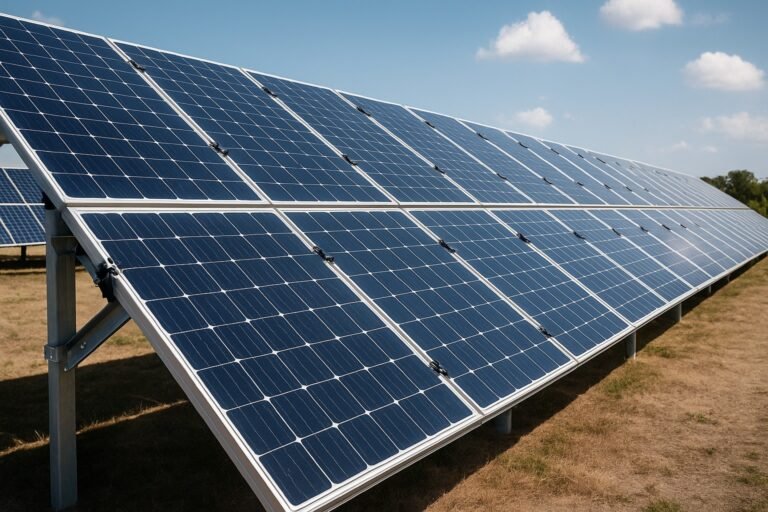
When setting up a solar energy system, one part that often gets overlooked is the solar panel rack—the structure that holds your panels safely and securely in place. These racks are not just metal frames; they play a vital role in how well your panels perform, how long they last, and how safe your installation remains through years of wind, rain, and heat. In this guide, you’ll learn everything you need to know about solar panel racks, including their types, materials, installation tips, and expert insights. Whether you’re planning a DIY project, working with a professional installer, or just exploring options for your roof or ground mount system, this article will help you make confident, informed choices that ensure your solar investment performs at its best.
What Are Solar Panel Racks & Why They Matter
Solar panel racks, also called mounting systems or racking systems, are the structural backbone that hold your panels in place. They make sure each solar panel is tilted at the right angle to capture maximum sunlight, stay secure during wind or heavy rain, and last for decades without damage. A well-designed racking system also protects your roof from leaks and supports proper airflow under the panels to prevent overheating.
Without a good rack, even the best solar panels can fail early or underperform. That’s why professional installers always consider load ratings, roof type, and corrosion resistance before choosing one. For homeowners, understanding the basics of racking helps you compare quotes wisely and avoid hidden issues later. Always ask for the system’s engineering data and warranty—because the racking isn’t just a frame, it’s your solar system’s foundation.
Types Of Solar Racking Systems
Choosing the right type of solar racking system depends on your roof condition, available land, budget, and overall design goals. Each system has its own strengths, installation style, and best-use scenarios. Below are the main types of solar panel racks used today.
Roof-Mounted Racking System (Solar Panel Roof Racking System)
Roof-mounted systems are the most common option for residential solar installations. They use metal rails or rail-less frames to attach panels directly to your roof, keeping them secure and angled for maximum sunlight.
Common Variants:
- Flush mount: panels sit close to the roof surface, offering a neat and low-profile look.
- Tilt-up mount: ideal for flat or low-slope roofs, allowing panels to be positioned at an optimal angle.
- Shared-rail and fully-railed systems: reduce material and labor costs by minimizing the number of rails needed.
- Rail-less systems: newer designs that attach panels directly to mounting points, making them lightweight and faster to install.
Key Considerations: Your roof type plays a big role—shingle, tile, and metal roofs each require different hardware and waterproofing methods. Aesthetic preference, ventilation under panels, and long-term roof integrity should also guide your decision.
Expert Tip: If your roof is older or structurally weak, consider reinforcing it before installation or opt for a ground-mounted setup instead.
Ground-Mounted Racking System (Solar Ground Mount Racking)
Ground-mounted racks are installed directly on the ground using steel or aluminum posts, making them ideal for homes or properties with open land.
Advantages:
- Easier access for cleaning and maintenance.
- Panels can be adjusted for the perfect tilt and orientation to capture more sunlight.
- Scalable design—easy to expand your solar array in the future.
Disadvantages:
- Usually more expensive due to extra materials and foundation work.
- Takes up yard or field space.
- May require additional permitting and local approvals.
Expert Tip: For homeowners with large properties or shaded roofs, a ground-mounted system often provides better efficiency and flexibility in the long run.
Other Specialized Racks
Pole-Mount Systems: These racks are attached to a single steel pole that elevates the panels off the ground. They’re perfect for small-scale systems or when ground space is limited.
Ballasted Systems: Commonly used on flat roofs, these rely on heavy weights instead of roof penetrations, protecting waterproof membranes and reducing leak risks.
Tracking Systems: Single-axis and dual-axis trackers automatically follow the sun’s path throughout the day, improving energy output by up to 25–35%.
Expert Tip: While tracking systems increase efficiency, they add cost and maintenance. For most homeowners, fixed-tilt systems strike the best balance between performance, simplicity, and value.
Key Components & Materials of Solar Panel Racking
Every solar racking system is made up of several important parts that work together to hold your panels securely and safely. Understanding these components helps you know what to expect during installation and what to look for in terms of quality and durability.
Flashings: These are thin metal or rubber layers installed around mounting points to seal roof penetrations and prevent water leaks. They are essential for protecting your roof’s waterproof barrier and maintaining long-term safety.
Mounts or “Feet”: Mounts are the base of the racking system. They attach directly to roof rafters or to the ground in larger setups, providing the foundation that supports the entire solar array. A secure and correctly installed mount ensures stability even under heavy wind or snow.
Rails or Tracks: Rails are horizontal bars, often made of aluminum, where panels are attached. They provide structure and alignment across the solar array. Aluminum is preferred because it’s lightweight, corrosion-resistant, and long-lasting.
Clamps and Fasteners: These include mid-clamps and end-clamps that tightly hold each panel in place on the rails. High-quality stainless-steel fasteners prevent loosening or corrosion over time, keeping your panels steady through all kinds of weather.
Materials and Durability: The best racking systems are built from high-grade aluminum or galvanized steel, offering excellent resistance against corrosion, moisture, and UV damage. A strong material choice ensures your system can handle regional wind and snow loads for 25 years or more.
Expert Tip:
Always choose racking systems that meet recognized safety and performance standards such as UL 2703 certification. Also, check that your manufacturer provides a solid warranty on both materials and workmanship — it’s a key sign of a trusted, quality product.
How To Choose The Right Solar Panel Racks For Your Project
Selecting the right solar panel racks is one of the most important decisions in any solar installation. The racking system directly affects your solar panels’ safety, performance, and lifespan, so it’s worth taking time to evaluate your options carefully.
Assess Your Roof or Space: Start by checking your roof’s condition, age, slope, and orientation. Look for any shading from trees, chimneys, or nearby buildings. If your roof isn’t ideal, assess available ground space where a solar array could be installed securely.
Match the Racking Type to Site Conditions: Your local environment plays a big role in which system will work best. Roof-mounted racks are perfect for urban homes with limited space, while ground-mounted systems suit open areas. Consider your region’s wind speed, snow load, and general weather conditions—each requires specific racking strengths and anchoring methods.
Review Load Ratings and Warranty: Always check the manufacturer’s load capacity, corrosion resistance, and overall build quality. A strong racking system should be certified to handle local climate challenges and come with a reliable long-term warranty.
Compare Cost vs. Longevity: Racking usually represents a small portion—about 3%—of your total solar system cost. However, it’s one of the most critical components for long-term performance. Cheaper racks might save you a little money upfront but can lead to major repair or replacement costs down the road.
Expert Tip:
Always get at least two quotes from reputable racking brands or installers. Ask whether the system can be easily expanded if you plan to add more panels in the future. Choosing a flexible, high-quality system from the start ensures your solar setup remains strong and adaptable for years to come.
Leading Solar Racking Manufacturers & Brands
The solar industry offers several trusted brands known for producing reliable, high-quality racking systems. Choosing a reputable manufacturer not only ensures better durability and performance but also gives you peace of mind knowing that your system is built to last.
Popular and Trusted Brands:
Some of the most recognized names in solar racking include IronRidge, Unirac, K2 Systems, and SnapNrack. These companies have a long-standing reputation for engineering racks that meet strict safety and weather standards. Their systems are widely used by professional installers for both residential and commercial solar setups.
What to Evaluate When Choosing a Brand:
When comparing manufacturers, look beyond just price. Focus on:
- Ease of installation: A good racking system should save time and labor costs.
- Adjustability: Systems that allow angle or tilt adjustments help improve solar efficiency.
- Warranty coverage: Reliable brands offer warranties of 20 to 25 years, matching the lifespan of most solar panels.
- Certifications: Always check that the racking system is tested for wind, snow, and corrosion resistance based on your region’s conditions.
Expert Tip:
Avoid choosing the cheapest racking option without verifying the manufacturer’s technical data and certifications. The racking system is literally the foundation of your solar setup—spending a bit more on quality ensures long-term safety, stability, and performance.
DIY Solar Panel Rack Solutions & Kits (Solar Panel Rack DIY / Solar Racking Kit)
For homeowners who enjoy hands-on projects, DIY solar panel racks can be a practical and cost-saving option. Many pre-engineered kits are available today that make installation easier and safer than ever before.
What Homeowners Can Realistically Handle
DIY kits work best for small setups like simple ground-mounted frames, tilt-adjustable racks, or lightweight roof-mounted systems. These kits usually come with all necessary brackets, rails, and clamps, designed for easy assembly using common tools.
Key Safety And Code Considerations
Before starting, check local building codes and permit requirements. Your racking must meet local structural and wind-load standards. Pay attention to anchoring strength, uplift resistance, and mounting alignment—even small errors can affect system safety or void equipment warranties.
Pros And Cons
The biggest benefit of DIY racking is cost savings on labor. However, there’s also risk: incorrect installation could lead to leaks, structural issues, or poor energy performance. It may also make your system ineligible for certain incentives or insurance coverage.
Expert Tip:
If you decide to go the DIY route, always invest in a high-quality racking kit and follow the manufacturer’s installation guide precisely. When in doubt, consult a licensed structural engineer or solar installer to review your setup. A small professional check can prevent costly mistakes later.
Buying Guide: Solar Panel Racks For Sale & Where To Find
Buying the right solar panel rack is more than just finding the cheapest option—it’s about choosing a system that matches your panels, your property, and your climate.
What to Look For When Purchasing
- Compatibility: Make sure the rack matches your panel’s size, frame thickness, and mounting hole pattern.
- Tilt Angles: Some racks allow fixed tilts, while others offer adjustable angles for better sun exposure.
- Mounting Surface: Choose a design that fits your surface type—roof, ground, or pole.
- Shipping and Availability: Check delivery times and whether spare parts are easy to find.
Local “Near Me” Considerations:
Working with local suppliers or installers can make maintenance easier and shipping faster. Local experts also understand your region’s climate and building codes, ensuring your racking meets all legal and safety standards.
Budget vs. Quality Trade-Offs:
While inexpensive racks might look appealing, they often lack proper testing or durability. Spending a bit more upfront on corrosion-resistant aluminum or steel racks saves money long term by reducing maintenance and replacement costs.
Expert Tip:
Before finalizing your purchase, confirm that the rack you’re buying is approved for your area’s wind and snow loads. This is especially crucial if you live in a region with hurricanes, heavy snowfall, or coastal salt exposure.
Maintenance, Lifespan & Performance Of Solar Panel Racks
A high-quality solar racking system is designed to last as long as your solar panels—typically 25 years or more. However, like any structural component exposed to the elements, it needs occasional inspection and maintenance to ensure long-term reliability and performance.
Typical Lifespan
Most modern racking systems are built from corrosion-resistant materials like aluminum or galvanized steel, allowing them to withstand decades of sun, rain, and wind. When properly installed and maintained, the racking will easily match the lifespan of your solar panels.
What To Regularly Check
It’s smart to inspect your racking at least once a year. Look for loose bolts or clamps, signs of rust or corrosion, and any flashing leaks around roof mounts. Make sure there’s proper ventilation and drainage under your panels to avoid moisture buildup, which can damage both panels and mounts over time.
How Racks Affect Performance
The racking’s angle and positioning directly influence how much sunlight your panels receive. A correctly tilted and firmly anchored rack reduces shading, prevents soiling from uneven dust buildup, and minimizes wind-related stress. When the racks are misaligned or unstable, energy production can drop, and structural issues may appear later.
Expert Tip:
During your annual solar system inspection, always include a racking system check. Catching small issues like loose hardware or minor corrosion early can prevent costly repairs and protect the overall health of your solar investment for years to come.
Uncommon & Expert-Backed Considerations
Beyond the basics of installation and cost, there are several advanced factors that professionals consider when designing a long-lasting, high-performance solar racking system. Paying attention to these details can help you get more energy, improve safety, and increase your property’s overall value.
Tilt-Adjustable Racking
Some racking systems allow you to manually change the panel angle during different seasons. Adjusting the tilt in winter and summer can increase sunlight capture and boost energy yield, especially in regions with strong seasonal sun changes.
Future-Proofing For Expansion
If you plan to expand your solar setup later, select a racking system that can easily accommodate additional panels. Modular designs make upgrades simple and cost-effective without requiring a full system overhaul.
Integration with Battery Or EV Systems
With the growing popularity of electric vehicles and home battery storage, it’s smart to plan your racking layout so you can add more panels in the future for EV charging or backup power.
Climate-Specific Considerations
Your local environment matters. Homes in high-wind or heavy-snow zones need reinforced racking systems, while coastal areas require corrosion-resistant materials to handle salt exposure. Always choose racks rated and certified for your local climate conditions.
Aesthetic And Landscaping Impact
Ground mounts may change your property’s look and require clearing space, while roof systems are more discreet. Consider the visual appearance, potential shading from trees, and how the system integrates with your landscape design.
Resale And Durability Benefits
High-quality racking not only extends the life of your solar panels but can also increase your property’s resale value. Buyers often see sturdy, well-engineered racking as a sign of a professionally installed and low-maintenance solar system.
Expert Tip:
Ask your installer for engineer-stamped structural drawings from the racking manufacturer—especially if you live in hurricane or tornado-prone areas. These documents prove compliance with local codes and ensure your system is built to withstand extreme weather events.
Conclusion
Choosing the right solar panel racks is one of the most important steps in creating a safe, durable, and efficient solar energy system. The racking not only supports your panels but also determines how well they perform under real-world conditions like wind, rain, and snow. By learning about different types of racking systems—roof-mounted, ground-mounted, and adjustable—you can select one that fits your property, budget, and energy goals.
Beyond just installation, paying attention to quality materials, reliable brands, and regular maintenance ensures your system performs at its best for decades. When you factor in expert-backed tips, climate considerations, and future expansion options, you’re not just buying a frame—you’re securing the foundation of your entire solar investment. With the right solar panel racks, your system will stay strong, efficient, and valuable for many years to come.
FAQ’s:
What Is The Purpose Of A Solar Panel Rack?
A solar panel rack is the structural frame that holds your solar panels securely in place. It positions them at the right angle for maximum sunlight and protects your roof or ground installation from weather damage.
How Long Do Solar Panel Racks Last?
High-quality solar racking systems typically last 25 years or more, matching the lifespan of most solar panels. Regular inspection and maintenance help ensure they stay in top condition over time.
Can I Install A Solar Panel Rack By Myself?
Yes, some homeowners choose DIY solar racking kits, especially for small ground or roof systems. However, installation must follow local building codes and manufacturer guidelines to ensure safety and system performance.
Which Is Better: Roof-mounted Or Ground-Mounted Racking?
It depends on your property. Roof-mounted systems save space and are ideal for homes with good sun exposure, while ground-mounted racks offer better access, flexibility, and easier maintenance—but require more land and higher upfront cost.
Do Solar Panel Racks Need Maintenance?
Yes, it’s wise to check your racking once a year. Look for loose bolts, corrosion, or leaks around roof penetrations. Catching small issues early keeps your solar system safe and efficient for decades.
Disclaimer
The information in this article is provided for general educational purposes only and should not be taken as professional installation or engineering advice. Always consult a licensed solar installer or structural engineer before making any changes to your property or solar setup.
