
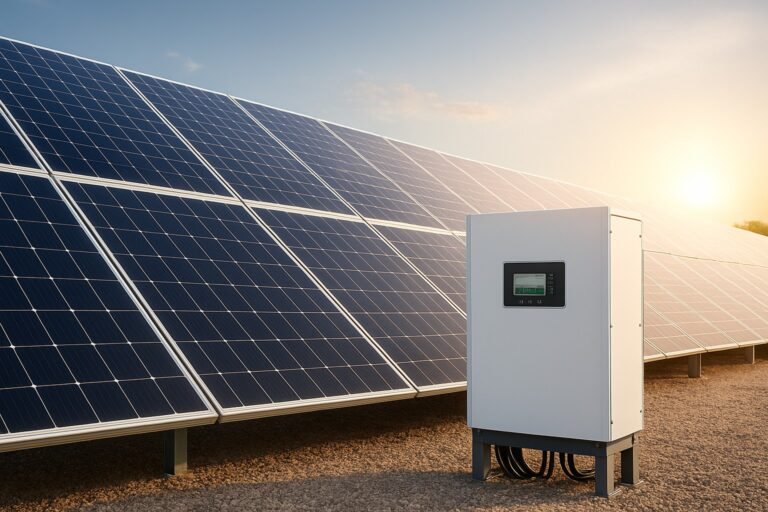
A 30 kW solar system is one of the most practical and efficient options for large homes, small businesses, or facilities with high electricity demands. It’s designed to generate enough power to run multiple air conditioners, heavy appliances, lighting systems, and office equipment without relying heavily on the grid. Because of its strong capacity, this system bridges the gap between residential and commercial solar setups—offering impressive savings and energy independence.
In this article, we’ll break down everything you need to know about a 30 kW solar system, including its power output, cost, on-grid and hybrid options, battery storage, and how many panels and inverters you’ll need. You’ll also see how it compares to 10 kW, 20 kW, and 40 kW systems, so you can easily decide what fits your needs best. Drawing from **real-world data, market prices, and expert insights—particularly from regions like Pakistan where solar adoption is rapidly growing—**this guide will help you make an informed decision about whether a 30 kW solar setup is right for your home or business.
What Is A 30 Kw Solar System?
A 30 kW solar system refers to a solar power setup with a peak capacity of approximately 30 kilowatts (30,000 watts). In simple terms, it can generate up to 30 kW of power under optimal sunlight conditions. This size is considered large-scale residential or small commercial capacity, making it suitable for homes with heavy power usage, guest houses, schools, small factories, and office buildings.
Compared to smaller setups like 10 kW or 20 kW solar systems, a 30 kW system produces significantly more energy, which allows users to run multiple air conditioners, refrigerators, pumps, and industrial equipment simultaneously. On the other hand, compared to a 40 kW system, it’s slightly smaller but often chosen because it offers a balance between cost and power generation—enough to cover daily needs while still being manageable in size and budget.
Common use cases include large homes, farmhouses, workshops, and commercial facilities aiming to reduce electricity bills or achieve partial energy independence. Many property owners also install a 30 kW solar system for home setups with net-metering, allowing them to send excess energy back to the grid. For larger facilities, a 40 kW solar system might be preferred for higher output, but the 30 kW configuration remains one of the most cost-effective and efficient mid-tier choices.
How Much Power Does A 30 Kw Solar System Produce?
The power output of a 30 kW solar system depends on sunlight exposure, panel efficiency, and system design. In general, under favorable conditions, this system can produce around 120 to 150 kilowatt-hours (kWh) of electricity per day in areas that receive about 5.5 to 6.5 peak sun hours, such as many regions in Pakistan. Over a month, that translates to approximately 3,600 to 4,500 kWh of clean, renewable energy.
However, real-world output can vary due to several factors:
- Panel Efficiency: High-quality panels generate more power from the same amount of sunlight.
- Orientation and Tilt: Panels facing true south (in the northern hemisphere) at the correct tilt angle maximize sunlight exposure.
- Shading and Cloud Cover: Trees, nearby buildings, or frequent cloudy weather can lower performance.
- System Losses: Inefficiencies in inverters, wiring, and temperature conditions slightly reduce the actual output.
When compared to smaller systems, the difference is clear. A 10 kW system typically produces about one-third of what a 30 kW setup generates, while a 20 kW system produces roughly two-thirds. This means the 30 kW system offers the advantage of powering larger spaces or heavier electrical loads without relying much on the grid.
Many people search for information on a “30 kWh per day solar system,” but it’s important to note that a 30 kW system actually produces several times that amount daily, depending on sunlight conditions and setup quality.
How Many Panels, Inverter & Batteries For A 30 Kw System?
A 30 kW solar system is a fairly large setup, so it’s important to understand how many panels, inverters, and batteries are needed to make it perform efficiently. The exact components depend on your panel wattage, power requirements, and whether you choose an on-grid, hybrid, or off-grid configuration.
Panels
The total number of panels depends on the wattage of each panel. For example, using 350 to 400-watt panels, you’ll need approximately 75 to 85 solar panels to achieve a full 30 kW capacity. The higher the wattage of each panel, the fewer you’ll need overall.
You can choose between different panel types based on your goals:
- Monocrystalline panels: Highly efficient and space-saving, ideal for limited roof space.
- Polycrystalline panels: Slightly less efficient but more budget-friendly.
- Bifacial panels: Capture sunlight from both sides, increasing overall energy yield.
Inverter
A 30 kW solar inverter is the heart of your system, converting DC electricity from the panels into usable AC power. Most setups use either a single 30 kW inverter or two to three smaller string inverters working together. For larger homes or commercial buildings, a three-phase inverter is preferred to handle heavier electrical loads more evenly. Single-phase options can still work for residential installations with moderate consumption.
Battery / Storage (If Hybrid Or Off-Grid)
If you’re installing a hybrid or off-grid 30 kW solar system, adding battery storage allows you to store excess energy for nighttime or power outages. The number of batteries you’ll need depends on how many backup hours you want and the capacity of each battery (measured in kilowatt-hours).
For instance, a 30 kW hybrid system with around 50 kWh of battery storage can generate approximately 88 to 110 kWh of usable energy per day, depending on sunlight and load conditions.
If you’re wondering “how many batteries do I need for a 30 kW solar system,” the answer depends on your desired autonomy—typically 6 to 10 large lithium or deep-cycle batteries are used for standard backup setups.
Cost Of A 30 Kw Solar System
The cost of a 30 kW solar system depends on several factors, including its type (on-grid, hybrid, or off-grid), the quality of components used, and local installation conditions. In Pakistan, where solar adoption has grown rapidly, 2025 market rates show competitive pricing for both residential and commercial setups.
Pakistan Market Example
For an on-grid 30 kW solar system, the price typically ranges from around Rs 2,253,000 to Rs 2,599,000, depending on the panel brand, inverter type, and installation service quality. These systems are directly connected to the grid and often include net metering, allowing users to sell excess energy back to the utility.
If you prefer a hybrid solar system with battery backup, the cost can rise to approximately Rs 3,491,000 to Rs 3,837,000, excluding the battery price. The battery is a major cost factor since high-quality lithium or gel batteries significantly increase overall investment.
Some vendors also quote an alternative on-grid price of about PKR 2,512,000 for entry-level installations that use mid-range equipment. However, choosing high-efficiency panels or premium inverters can push the total cost toward the higher end of the spectrum.
Why Price Varies
- Panel Efficiency & Brand: Premium monocrystalline or bifacial panels cost more but deliver better long-term performance.
- Inverter Quality: Smart hybrid or three-phase inverters with advanced monitoring features come at a higher cost.
- Battery Inclusion: Hybrid and off-grid systems are more expensive due to battery storage, which can add several hundred thousand rupees.
- Installation Complexity: Factors like roof structure, wiring distance, and mounting type can influence labor and material costs.
- System Type: On-grid setups are the most affordable, while off-grid and hybrid systems cost more due to storage and autonomy needs.
When searching for options, you’ll often find listings such as “30 kW solar system price” or “30 kW solar system for sale.” It’s important to compare not just price but also component warranties, after-sales service, and energy performance to ensure long-term value.
On-Grid Vs Off-Grid Vs Hybrid Configuration
Choosing between an on-grid, off-grid, or hybrid 30 kW solar system depends on how you plan to use your power and how reliable your local electricity supply is. Each setup has unique benefits, costs, and practical applications that suit different energy needs.
On-Grid System
An on-grid 30 kW solar system is directly connected to the main electricity grid. It uses net metering, which allows you to send excess solar power back to the utility and earn credits on your electricity bill. Since it doesn’t require batteries, it’s the most cost-effective and low-maintenance option. However, during grid outages, the system automatically shuts down for safety reasons, meaning it doesn’t provide power backup.
Off-Grid System
An off-grid 30 kW system operates completely independently of the national grid. It relies entirely on solar panels, batteries, and sometimes a backup generator. This configuration provides complete energy independence, making it ideal for remote areas without grid access. However, it’s also the most expensive and complex system, as it requires a large battery bank to store enough energy for nighttime and cloudy days.
Hybrid System
A hybrid 30 kW solar system combines the best of both worlds. It stays connected to the grid while also including battery storage for power backup. During the day, it runs on solar energy, stores excess power in batteries, and exports any surplus to the grid. At night or during power failures, it automatically switches to stored battery power. A typical 30 kW hybrid setup with around 50 kWh battery storage can produce about 88 to 110 kWh of usable energy per day, providing strong reliability and flexibility.
Use-Case Recommendations
- If your area experiences frequent power outages, a hybrid or off-grid system is the better choice for uninterrupted electricity.
- If the grid is stable and reliable, an on-grid system offers great savings with a shorter payback period.
Roof / Land Area And Structural Considerations
A 30 kW solar system requires adequate space and proper structural support to operate safely and efficiently. The exact area depends on the type and efficiency of solar panels used. Typically, a system using 300 to 400-watt panels needs around 180 to 250 square meters of rooftop space, depending on the panel layout, tilt angle, and the amount of shading on-site.
Different mounting types can be used based on your property:
- Rooftop Mounts: Suitable for homes and buildings with flat or slightly tilted roofs.
- Ground-Mounted Systems: Ideal for properties with open land where space isn’t a concern.
- Car-Park Canopies: A smart dual-use option that provides shade for vehicles while generating solar energy.
Before installation, it’s essential to ensure the structural integrity of the mounting surface. The roof or frame must support the combined weight of panels, mounting structures, and withstand wind loads or extreme weather. Local building codes and wind zone requirements must also be followed.
A shading and orientation analysis is another key step. In the northern hemisphere, panels should generally face south with an optimal tilt angle that matches your location’s latitude to maximize sunlight hours. For commercial three-phase systems, additional structural support and heavier wiring may be needed to handle higher current flow safely.
Step-By-Step Installation Process & Timeline
Installing a 30 kW solar system involves several well-defined stages to ensure optimal performance, safety, and compliance with regulations. Here’s how the process typically unfolds:
Site Survey:
- A professional team assesses your roof or land, reviews your electricity usage, checks shading conditions, and determines the best system size and placement.
System Design:
- Engineers design the layout, determine inverter capacity, and calculate battery storage requirements (if hybrid or off-grid). A detailed design ensures efficient energy flow and easy maintenance.
Permits & Approvals:
- Necessary paperwork is submitted to local authorities or utility providers for net-metering approval and other compliance certifications.
Procurement:
- All components—solar panels, inverters, mounting structures, wiring, and safety devices—are purchased from approved suppliers to ensure quality and warranty coverage.
Installation:
- Technicians mount the panels, connect the inverter, and integrate protection systems such as circuit breakers, grounding, and surge protection.
Commissioning & Monitoring:
- Once installed, the system is tested for voltage, current, and energy output. Smart monitoring tools are configured so users can track daily performance and savings.
A typical 30 kW solar system installation in Pakistan, including the documentation and approval process, takes about 3 to 5 weeks from start to finish. This timeline can vary depending on location, component availability, and net-metering approval speed.
Savings, Payback Period & ROI
A 30 kW solar system is not just a sustainable energy solution—it’s also a smart financial investment that can deliver impressive savings and a quick return on investment (ROI). In Pakistan’s climate, where sunlight is abundant, such a system can generate approximately 3,600 to 4,500 kilowatt-hours (kWh) per month. Assuming an average electricity rate of PKR 40 per unit, that equals monthly savings of around PKR 144,000 to PKR 180,000, depending on your actual consumption and solar output.
For an on-grid system, the payback period typically falls between 2 to 3 years, making it one of the most financially rewarding renewable energy investments available today. Hybrid or off-grid systems, while offering energy independence and backup capability, may have a longer payback period due to higher upfront costs for batteries and energy storage.
Several factors influence the long-term ROI of your solar investment:
- Rising Electricity Rates: As power costs increase annually, your solar savings grow proportionally.
- Low Maintenance Costs: Solar systems require minimal upkeep, which helps sustain profitability.
- Panel Degradation: High-quality panels typically lose only about 5–1% efficiency per year, ensuring consistent performance for decades.
When properly designed and installed, a 30 kW solar system remains one of the best-performing and most reliable renewable investments, offering long-term energy stability and strong environmental benefits.
Maintenance, Monitoring & Lifespan
Once installed, a 30 kW solar system requires relatively little maintenance while delivering dependable energy for decades. Most modern panels come with a 25-year performance warranty, ensuring that your system continues to operate efficiently for over two decades.
Regular maintenance tasks include:
- Cleaning panels every few weeks to remove dust, debris, or bird droppings that can reduce sunlight absorption.
- Inspecting batteries (in hybrid or off-grid setups) to ensure proper charge and discharge cycles.
- Checking inverters and wiring periodically for any signs of wear, corrosion, or loose connections.
Many new systems come equipped with smart WiFi monitoring tools, allowing users to track daily energy production, system efficiency, and potential faults in real time. This technology helps detect performance drops early and supports proactive maintenance.
Over time, solar panel efficiency naturally declines, but only slightly—typically about 0.5–1% per year. The inverter may need replacement after 10–15 years, depending on brand quality and usage conditions. To ensure consistent performance, experts recommend keeping yearly energy production records and comparing them against the expected degradation curve.
With regular care and monitoring, your 30 kW system can easily deliver reliable and cost-effective power for 25 years or more, offering both financial and environmental rewards.
Case Study & Real-World Example
To understand how a 30 kW solar system performs in real-life conditions, let’s look at a case study of a business owner in Lahore, Pakistan, who decided to install one for their medium-sized textile workshop. The business was struggling with monthly electricity bills exceeding Rs 160,000, and frequent load-shedding was disrupting production. After a detailed energy audit, a 30 kW hybrid solar system was recommended as the most cost-efficient and reliable solution.
The owner opted for high-efficiency monocrystalline panels paired with a hybrid inverter and a 50 kWh battery backup to ensure smooth operations during outages. The installation cost roughly Rs 3.6 million, but it immediately reduced grid dependency by over 85%. Within the first month, the workshop’s electricity expenses dropped to nearly Rs 25,000, covering only minimal grid usage. The system’s payback period was projected at under 3 years, with long-term savings exceeding several million rupees over its lifespan.
Their biggest lesson was realizing that accurate load assessment and battery sizing are essential. “We initially thought an on-grid setup would be enough, but with frequent load-shedding, the hybrid configuration proved worth every rupee,” the owner shared. This example clearly shows how a well-planned 30 kW system can bring both financial and operational benefits for commercial users.
How To Choose The Best 30 Kw Solar System Package
Selecting the best 30 kW solar system package means focusing on quality, efficiency, and long-term reliability rather than just upfront cost. Here’s a quick checklist to help you make a confident choice:
- Component Quality: Choose Tier-1 panel brands and certified inverters. Look for 25-year warranties on panels, 5–10 years on inverters, and battery life guarantees if using a hybrid system.
- Certifications: Ensure all components comply with international standards such as IEC or ISO certifications.
- Installer Reputation: Work with an experienced and certified installation partner with a strong local track record and after-sales service.
- System Comparison: Compare on-grid vs hybrid options based on your area’s power stability and your need for backup. If you rarely face outages, an on-grid setup might offer faster returns.
- Provider Questions: Ask your installer about expected annual energy output, monitoring system options, maintenance plans, and future expansion compatibility (in case you plan to add more panels later).
When browsing through listings like “best 30 kW solar system” or “30 kW solar system for sale,” don’t just focus on price—evaluate the total value, energy output, reliability, and warranty coverage. A well-designed system may cost slightly more but ensures higher energy efficiency and long-term savings.
Conclusion
A 30 kW solar system is a powerful, future-focused investment for homeowners and businesses that have high energy needs or heavy electrical loads. When properly designed and installed, it delivers substantial monthly savings, long-term energy security, and clean, sustainable power for decades. Whether you run a large household, a workshop, or a commercial facility, this system size strikes the ideal balance between performance and practicality—offering consistent energy generation and reliable returns on investment. With the right configuration, it can even make you nearly energy-independent, protecting you from rising electricity costs and grid instability.
Before making the decision, it’s wise to assess your energy consumption, roof or land space, and available budget, while also considering your area’s net-metering incentives or solar financing options. Use the information shared throughout this guide—covering system output, pricing, setup types, and maintenance—to make a confident and informed choice. A 30 kW solar system isn’t just an upgrade; it’s a commitment to efficiency, sustainability, and long-term financial freedom through renewable energy.
FAQ’s:
How Many Units (Kwh) Does A 30 Kw Solar System Produce Monthly?
A 30 kW solar system typically generates around 3,600 to 4,500 kilowatt-hours (kWh) per month, depending on sunlight hours, weather, and overall system efficiency. Regions with stronger solar exposure, such as Pakistan or southern U.S. states, often see production on the higher end of that range.
Can I Use A 30 Kw Solar System For A Home?
Yes, a 30 kW solar system is suitable for large homes, villas, or farmhouses with heavy power needs—such as multiple air conditioners, pumps, and appliances. It can comfortably support daily household consumption while also exporting excess energy through net metering if connected to the grid.
How Many Batteries Do I Need For A 30 Kw Solar System?
The number of batteries depends on your backup requirements and battery capacity. For example, a hybrid 30 kW system may need 6 to 10 large lithium or deep-cycle batteries (totaling around 40–50 kWh of storage) to provide 4–6 hours of reliable backup power during outages.
What Is The Difference Between A 30 Kw System And A 40 Kw System?
While both are large-capacity systems, the 40 kW solar system produces roughly 30% more power than a 30 kW setup. This makes the 40 kW model better suited for medium-sized factories, schools, or offices with higher electricity consumption, whereas the 30 kW system fits well for large homes or small businesses.
What Is The Payback Period For A 30 Kw Solar System?
The average payback period for a 30 kW on-grid system is around 2 to 3 years, depending on electricity rates, energy usage, and system efficiency. Hybrid or off-grid setups with batteries may take slightly longer due to higher upfront costs but offer added reliability and energy independence.
How Much Roof Space Is Required For A 30 Kw System?
A 30 kW solar system using 300–400W panels requires approximately 180 to 250 square meters of roof space. The exact requirement depends on panel efficiency, mounting structure design, and the angle of installation for optimal sunlight exposure.
Disclaimer
The information provided in this article about the 30 kW solar system is for general educational purposes only. Actual prices, output, and system performance may vary based on location, equipment quality, and installation conditions. Always consult a certified solar professional before making any purchase or installation decisions.
